

Welcoming a new puppy into your home is an exciting adventure, but it’s also the perfect time to set the foundation for obedience training. Teaching your pup essential commands not only fosters good behavior but also strengthens the bond between you and your furry friend. In this article, we will explore the vital commands every dog should learn to ensure a well-behaved and happy companion.
The Importance of Basic Commands in Dog Training
Every responsible dog owner understands that teaching their furry friend basic commands is crucial—not just for convenience, but also for safety and the overall well-being of the dog. These commands form the backbone of a well-behaved pup, providing peace of mind for both the pet and the owner.
With a bit of perseverance, not only can you improve your dog’s behavior, but you can also strengthen the bond you share. The importance of early and consistent training cannot be overstated as it contributes significantly to your pup’s emotional stability and understanding of their environment.
Essential Commands to Teach Your Dog
Sit
The sit command is arguably one of the first and most fundamental commands to teach your dog. This simple action lays the groundwork for obedience and is crucial in scenarios like family gatherings or walks in busy areas where you need your canine to stay calm.
To teach it, initiate with a tempting treat near their nose. Gradually move it overhead, encouraging your dog to follow it, causing their bottom to touch the ground. Once seated, reward them immediately with the treat and enthusiastic praise.
Stay
Next up is the stay command, which teaches your pup to remain in a designated spot, a skill that’s key during walks or when visitors arrive. To practice, have them sit, and with an open palm, confidently say “stay” as you take a step back.
If they remain in place, shower them with praise and a treat. Over time, increase the distance and duration of the stay to build their self-discipline.
Come
The come command can be a lifesaver. It’s essential in instances where your dog might encounter danger or when they’re off-leash. Begin in a controlled environment, using a cheerful, enthusiastic tone to call them to you, paired with excited gestures or treats as incentives.
Once they reach you, ensure to reward them with a treat and praises. This fosters a positive association and reinforces the behavior.
Down
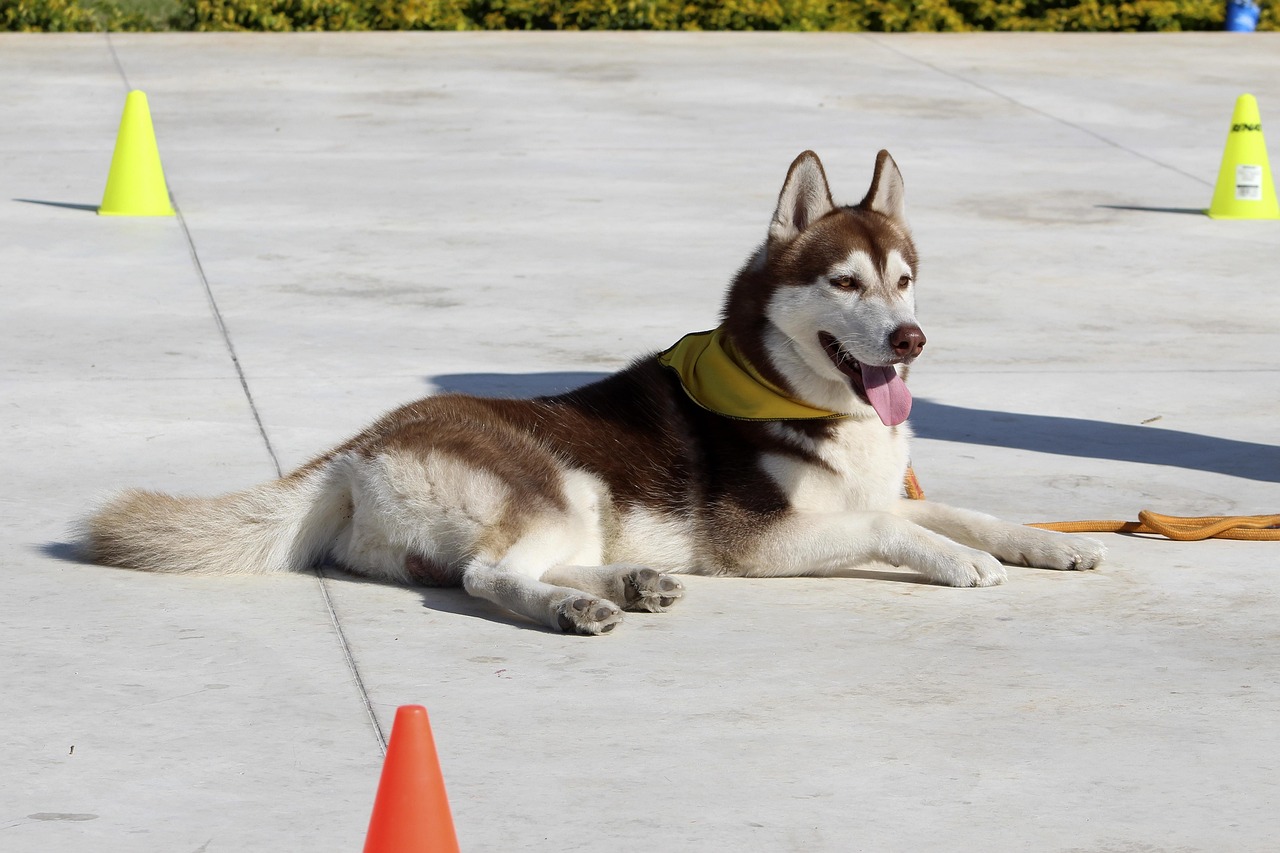
Getting your dog to lie down can promote calmness and help in controlling high-energy moments. Start with your pup in a sitting position, then hold a treat near their nose and guide it downwards toward the ground.
As they settle into the lying position, reinforce their action with praise. Regular practice leads to better impulse control and helps in situations demanding relaxation.
Leave It
The leave it command is vital in scenarios where your dog may be tempted to pick up something hazardous. To teach this command, start by placing a treat in one hand, allowing your pup to show interest. Close your fist and firmly say “leave it.”
Once they stop demonstrating interest, reward them with a different treat from your other hand. This teaches them not only to avoid undesirable items but also prompts them to look to you for guidance.
Advanced Commands for Enhanced Communication
Drop It
When your pup has something in their mouth they shouldn’t, the drop it command becomes essential. Using a toy they like, offer them a treat while commanding them to drop the object. When they comply, again reward them immediately.
This command is crucial for preventing choking hazards and promoting a share-friendly behavior.
Heel
The heel command encourages your dog to walk politely beside you without tugging or pulling. It is especially important in populated settings. Start by holding a treat beside your leg and saying “heel” as you walk. Reward them when they stay close.
Wait
Closely related to “stay,” the wait command helps your dog wait for your signal before proceeding, making it ideal for moments like crossing streets or entering vehicles. Teach this by asking them to wait at doorways or before meals.
Start training in a low-distraction environment, gradually introducing challenges as your dog becomes more proficient. Your commitment during these formative months will contribute significantly to their growth and your overall happiness together.
For additional insights, check out this comprehensive resource on dog training techniques. And for the latest tips in pet care, don’t forget to visit this helpful link.
For expert guidance in dog obedience training, consider reaching out to a professional trainer who can assist you in achieving the best results.


