
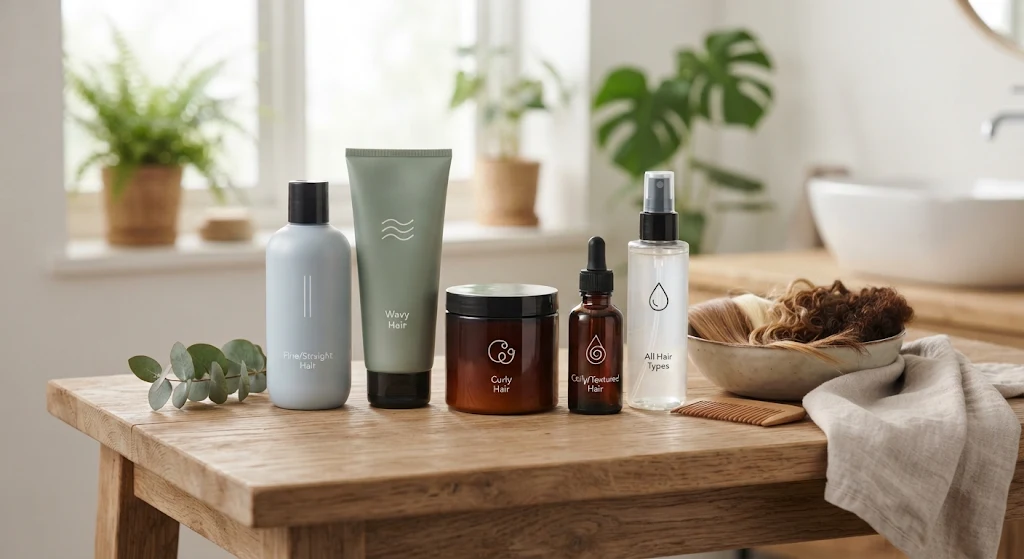
Keratin treatments are often presented as a shortcut to smoother, shinier hair, yet the same formula can leave one texture beautifully manageable and another flat or overprocessed. The best choice depends on curl pattern, strand thickness, hair condition, and how much frizz control is desired—not simply on whether hair is curly or straight. ✨
Formula Selection for Different Hair Textures
A keratin treatment coats and smooths the hair’s outer surface, helping reduce frizz and improve shine. Heat seals the product, so the treatment’s effects, duration, and feel depend on the formula, application, and condition of the hair.
Before comparing options, it helps to distinguish surface smoothing from permanent straightening: keratin treatments gradually fade and do not rebuild severely damaged hair or permanently alter its natural structure.
Formula Choices and Expected Results
Traditional smoothing formulas may deliver more pronounced frizz control, but some release formaldehyde when heated. Formaldehyde-free options may use ingredients such as glyoxylic acid or amino-acid complexes; their performance and safety profiles vary, so the ingredient list matters more than a broad marketing claim.
Express services generally aim for lighter, shorter-term smoothing. A stylist should explain the product, expected result, heat process, and aftercare before starting. 💇♀️
Texture-Based Formula Selection
Hair texture shapes how much smoothing is appropriate. Wavy hair may need modest frizz reduction to preserve movement, while curly hair can often benefit from a formula that softens frizz without erasing the curl pattern.
Coily hair requires particular care: a keratin service can loosen curls, but it is not a relaxer and may not produce straight hair. Fine or limp strands can lose volume, while thick, coarse hair may tolerate a stronger smoothing approach. Bleached, fragile, or heavily processed hair needs a careful assessment before high heat is used.
🧴 Factors to Consider Before Treatment
Beyond natural texture, several characteristics influence how hair responds to keratin products. A professional assessment helps determine whether a treatment is appropriate and which formula is likely to provide the desired finish.
Important considerations include:
-
Strand thickness: Fine strands may require lighter products and lower heat settings, whereas thicker hair may need a more tailored application.
-
Hair porosity: Highly porous hair absorbs products differently and may be more vulnerable to damage.
-
Previous treatments: Bleaching, coloring, relaxing, and previous smoothing services can affect the hair’s strength.
-
Desired finish: Some people want reduced frizz while retaining natural curls, whereas others prefer a straighter, sleeker appearance.
-
Scalp sensitivity: Product ingredients and application methods should be discussed before treatment, particularly for sensitive scalps.
🌿 Application and Aftercare for Lasting Results
Professional application plays an important role in achieving an even result. The stylist should follow the manufacturer’s instructions, use appropriate ventilation, and select a suitable temperature for the hair’s condition. Excessive heat can weaken fragile strands, regardless of the formula used.
Aftercare also influences how long the smoothing effect lasts. Depending on the product, recommendations may include waiting before the first wash or avoiding certain hairstyles immediately after the service.
To maintain the finish, consider these simple habits:
-
Use shampoos recommended for the specific treatment.
-
Apply a moisturizing conditioner to maintain softness.
-
Limit unnecessary heat styling between washes.
-
Protect hair from prolonged sun exposure and excessive chlorine.
-
Schedule follow-up treatments only when needed rather than repeating them too frequently.
✨ Choosing a Treatment That Respects Natural Hair
The most suitable keratin treatment should improve manageability without compromising the hair’s natural character. Comparing formulas, understanding their ingredients, and assessing existing damage are essential steps before making a decision.
A qualified hairstylist can evaluate texture, thickness, and previous chemical treatments to recommend an appropriate service. With realistic expectations and suitable aftercare, different hair textures can benefit from smoother, more manageable results while retaining the qualities that make each one unique.