
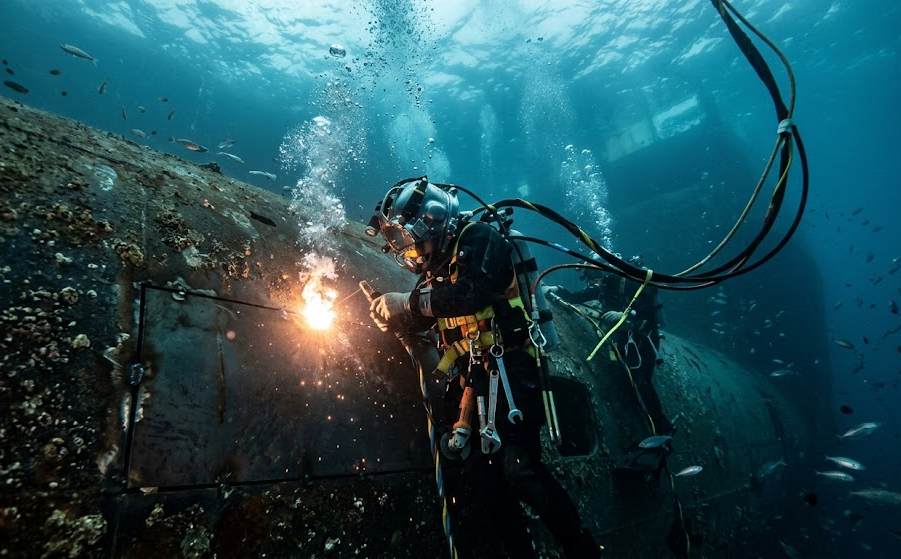
When it comes to marine leisure, boats are not just vehicles; they represent freedom and adventure. However, they are also susceptible to various forms of damage that necessitate expert intervention. Understanding how boat diving repairs can restore your vessel and keep it in prime condition is essential for every boat owner.
Understanding Marine Damage
Marine damage encompasses a variety of issues that can affect a boat’s integrity and functionality. From hull scratches caused by sandbars to more severe problems such as structural damage, addressing these concerns promptly is vital.
Types of Damage
Different scenarios can lead to marine damage that requires professional intervention. Key types include:
- Hull Damage: Scratches or dents that weaken the structure.
- Corrosion: Caused by prolonged exposure to saltwater.
- Propeller Damage: Occurs from striking submerged objects.
Each type of damage carries its own set of challenges and solutions, which professionals are trained to handle efficiently.
Exploring Boat Diving Repairs
Boat diving repairs are specialized services that address underwater damage without the need for dry docking. This technique not only saves time but also reduces costs for boat owners.
Process of Underwater Repairs
The process of underwater repairs typically involves several steps:
- Inspection: Divers assess the damage using specialized equipment.
- Welding and Sealing: For hull repairs, underwater welding techniques are employed to ensure a robust seal.
- Component Replacement: Damaged props or anodes are replaced on-site.
These techniques are designed to be as efficient as possible, allowing boats to be back in the water quickly.
The Importance of Professional Diving Services
Utilizing experienced divers for underwater repairs is critical. Their expertise ensures that the repairs meet high industry standards, thus prolonging the life of the boat.
Choosing a Reliable Diving Service
When selecting a diving service, consider the following factors:
- Experience: Ensure the company has a proven track record in marine repairs.
- Certifications: Technicians should possess the necessary licenses and training.
- Customer Reviews: Positive feedback from past clients can indicate quality service.
Choosing the right service can make a significant difference in the quality and longevity of the repairs.
Maintenance and Prevention Strategies
Preventing marine damage is often more cost-effective than repairing it. Regular maintenance practices are essential for boat longevity.
Regular Maintenance Tasks
To maintain your vessel’s health, consider incorporating these tasks into your routine:
- Routine Inspections: Conduct frequent checks for corrosion or damage.
- Cleaning: Regularly clean the hull to remove algae and marine growth.
- Zinc Replacement: Monitor and replace zinks to prevent corrosion.
Implementing these practices can significantly reduce the risk of future incidents.
The Future of Marine Engineering
As technology advances, underwater repairs are becoming more sophisticated. Innovations such as remote-operated vehicles (ROVs) are enhancing the capabilities of marine repair services.
Trends in Underwater Repair Technology
Some notable trends include:
- Enhanced Underwater Welding: Techniques that allow for quicker and more durable repairs.
- Sensors and Drones: Used for more accurate damage assessments.
- Eco-Friendly Solutions: Adoption of environmentally friendly materials and methods.
Staying updated on these advancements can help boat owners make informed decisions about repair services.
Understanding the intricacies of boat diving repairs allows boat owners to maintain their vessels effectively. By employing professional services, ensuring regular maintenance, and staying informed about new technologies, one can safeguard their investment in marine leisure activities.