
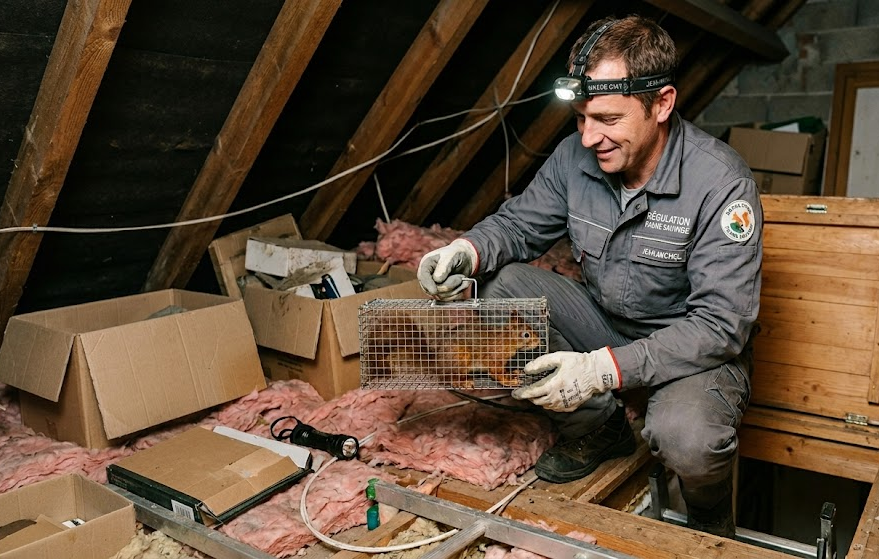
Squirrels, though charming, can become a homeowner’s unexpected adversary by causing significant damage to properties and gardens. Understanding proper squirrel removal strategies not only safeguards your home’s structural integrity but also promotes humane wildlife control. This comprehensive guide dives into effective pest management tactics that harmonize animal exclusion with property protection and yard safety.
Understanding Effective Squirrel Removal for Damage Prevention
Squirrel removal is the cornerstone of preserving your home and garden from costly deterioration. These intelligent creatures are adept at navigating urban and suburban environments, exploiting unsealed entry points and abundant food sources. To fortify your property against their persistent intrusion, a clear grasp of squirrel behavior and habitats is vital.
Squirrels are notorious for their chewing habits, which affect woodwork, insulation, and electrical wiring, raising safety concerns and repair costs. Moreover, their nesting materials deposited in attics or walls can block ventilation and cause further damage. Proper removal, employing humane trapping techniques, limits destruction and encourages natural relocation, fostering peaceful coexistence.
Implementing Strategic Wildlife Control Through Humane Trapping Methods
Controlling squirrel populations responsibly involves embracing humane techniques that address both ethical and practical aspects. Trap selection and placement are critical to success and minimizing stress on the animals.
Choosing and Using Live Traps for Safe Removal
Live traps baited with appealing foods like peanut butter or sunflower seeds offer a non-lethal solution for capturing squirrels. Positioning traps near visible nesting sites or active pathways enhances efficiency, while frequent monitoring ensures timely release, preventing harm.
After capture, safely relocating squirrels several miles away reduces return risks, aligning with ethical wildlife management practices. If personal handling feels daunting, consulting experts in pest management guarantees a professional, stress-minimized approach to squirrel removal.
Employing Repellents and Physical Barriers for Animal Exclusion
Beyond trapping, integrating repellents such as predator urine or capsaicin-based sprays discourages squirrels from re-entering. Coupling these with physical barriers—like metal collars around tree trunks or mesh over vents—strengthens property protection by denying access points.
Maintaining yard safety further benefits from these deterrents, especially when combined with upkeep protocols like trimming tree branches that squirrels use to leap onto roofs. Such layered strategies collectively reduce squirrel habitation risks.
Preventing Property Damage from Nesting and Foraging Squirrels
Addressing squirrels’ natural behaviors of nesting and food foraging is fundamental for damage prevention. Their habit of stripping bark or unearthing bulbs undermines landscaping efforts, while indoor nesting invites structural harm.
Securing Entry Points with Home Maintenance
Regular inspections and repairs of roof edges, attic vents, and window frames close off squirrel access routes. Utilizing heavy-duty materials like wire mesh or metal flashing reinforces barriers against gnawing attempts, arresting their infiltration attempts effectively.
Reducing Attractants within the Yard
Limiting food availability deters squirrels from settling in your vicinity. Squirrel-proof bird feeders and prompt cleanup of fallen fruit or unsecured trash bins diminish enticing stimuli. Planting natural deterrents such as daffodils and hyacinths further discourages their presence due to unpleasant odors.
Integrating Professional Services for Comprehensive Pest Management
When standard measures fall short, professional wildlife control specialists provide targeted, humane intervention based on thorough property assessments. Their expertise in nest removal and squirrel exclusion ensures long-term solutions tailored to individual cases.
Professional pest management services also assist with repairing renovations affected by previous squirrel activity, enhancing home maintenance and overall property protection. Engaging qualified teams fosters peace of mind and efficient yard safety upkeep.
These services align with sustainable practices prioritizing animal welfare while mitigating property damage risks, fulfilling modern homeowner expectations.
Applying Practical Tips for Sustainable Squirrel Management
To finalize your approach, consider a checklist that encompasses essential actions to maintain control over squirrel activity:
- Seal all entry points promptly using sturdy, chew-resistant materials.
- Regularly inspect your property, especially roofs and attics, for new signs of intrusion.
- Use humane traps as the first line of removal and release squirrels responsibly.
- Implement natural repellents and install physical barriers to deter recurrence.
- Trim tree branches to limit access routes to your home.
- Maintain cleanliness in your yard by securing food sources and waste bins.
- Consult professional pest management experts for severe infestations or damage repairs.
Preventing damage caused by squirrels requires a responsible approach: understanding how they access the property, reducing entry points, and taking appropriate action. Poor removal can worsen the problem or allow the animal to return. Hire a professional to assess the situation, choose the safest method, and implement long-term solutions.


