

If you’re looking to breathe new life into your business and attract more customers, a well-executed commercial renovation can make all the difference. A fresh, modern space not only enhances the customer experience but can also lead to higher sales. Below, we explore the key steps to ensure your renovation project achieves its intended goals while keeping your budget in check.
Understanding the Importance of Renovation
Before diving into the specifics, it’s vital to understand why renovating your commercial space is essential. The appearance and functionality of your establishment play an integral role in drawing in customers. A revamped interior can boost your brand image and improve customer flow, leading to a more enjoyable shopping experience. Furthermore, studies have shown that businesses that invest in renovations often see a return on investment of around 10-15%.
Step 1: Create a Comprehensive Renovation Plan
Setting Clear Objectives
The first step in any renovation project is to define your objectives. What are you hoping to achieve? Whether it’s updating the aesthetics, improving functionality, or increasing customer comfort, clarity is key. A well-defined purpose will guide all subsequent decisions, from budgeting to design choices.
Assessing the Existing Space
Take a thorough inventory of your current space. Identify areas in need of upgrade or repair, and consider customer traffic patterns. Make note of high-traffic spots that may require enhancements, such as entryways or checkout areas. This initial assessment will serve as a roadmap for your renovation.
Step 2: Budget Wisely for Your Renovation
Understanding Costs
In any renovation project, cost management is crucial. Begin by estimating the overall budget you’ll need, factoring in materials, labor, and contingencies for unexpected expenses. Get cost estimates from various contractors and understand the implications of different materials.
Prioritize Spending
Once you have an estimated budget, prioritize your spending. Focus on high-impact areas, such as flooring, lighting, and wall finishes, that will dramatically affect the first impressions your customers have of your space. Keep in mind that sometimes, minor adjustments can yield substantial improvements.
Step 3: Selecting the Right Contractors
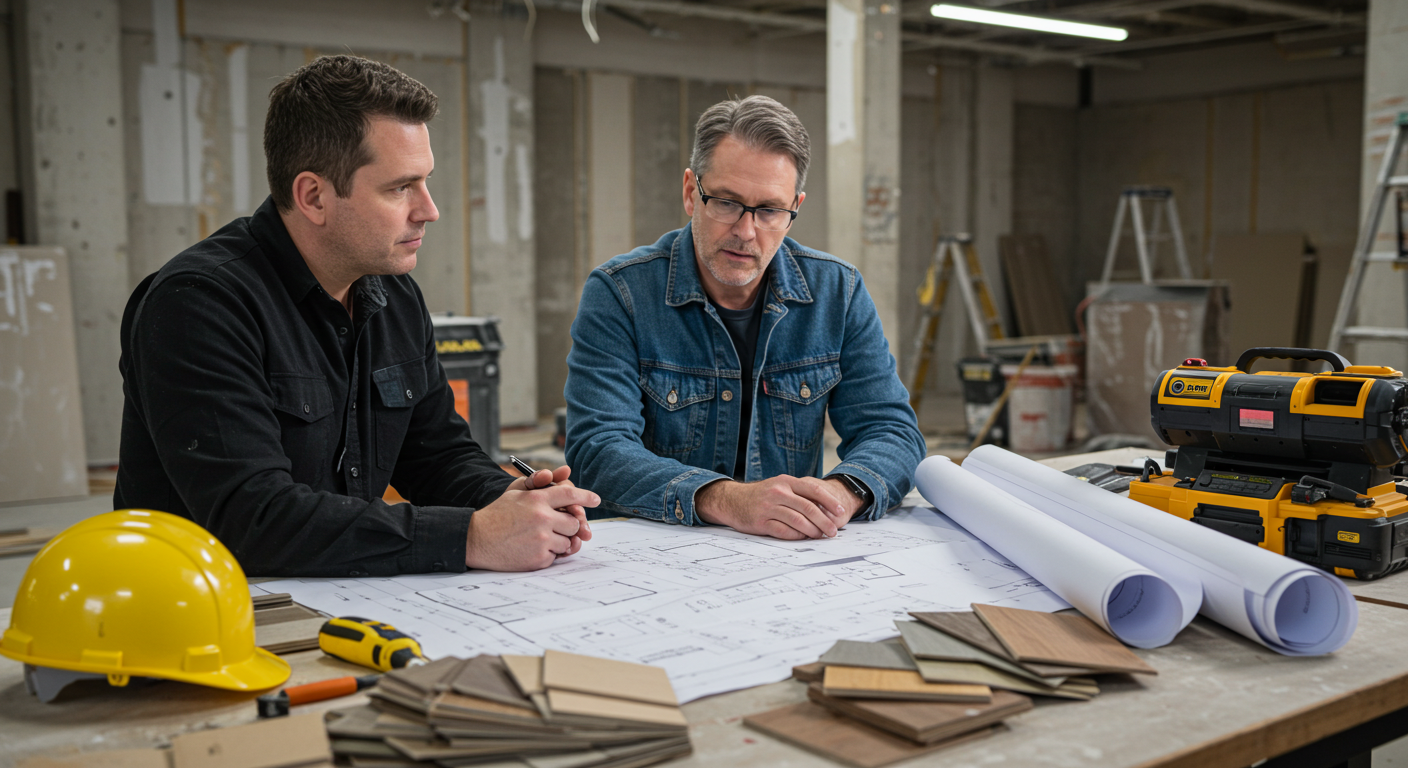
Finding a reliable contractor who understands retail renovation is paramount. Look for experienced professionals with a track record of successful projects comparable to yours. Their expertise can help navigate challenges and keep the project on schedule and within budget. Don’t hesitate to ask for references or testimonials to gauge their reliability.
Step 4: Design the Space Effectively
Optimizing Your Layout
The layout of your store can significantly affect customer behavior. An optimized floor plan encourages exploration and improves product visibility. Consider design elements that guide customers naturally through your space, making sure to create a clear shopper’s path that highlights promotional areas or new arrivals.
Choosing the Right Aesthetic
Appealing aesthetics go hand in hand with effective design. From contemporary to rustic styles, your choice of colors, materials, and decor should resonate with your brand identity. Incorporating modern elements, such as sleek fixtures and fashionable wall finishes, can instantly modernize your space.
Step 5: Updating Key Elements
Investing in Quality Flooring
New flooring can transform the look and feel of your space. Options such as vinyl or hardwood not only enhance aesthetics but also improve durability and comfort for customers. Selecting flooring that aligns with your store’s ambiance will create a cohesive environment.
Enhancing Lighting Solutions
Lighting plays a critical role in establishing the mood within your establishment. Upgrading your lighting with energy-efficient LEDs not only reduces costs but also brightens the space, making products more appealing. Consider layering light sources to create depth and highlight focal points like promotional displays.
Step 6: Final Touches and Technology Integration
Implementing Technology
In today’s retail environment, technology is essential. Integrating elements such as digital signage can inform customers about offers, while electronic point-of-sale systems streamline transactions. Embracing technological upgrades not only improves efficiency but also enhances the overall shopping experience.
Finishing Touches
Don’t overlook the final touches that can make your space feel inviting. Adding decorative elements like artwork, plants, or comfortable seating areas can enhance ambiance and draw customers in. A well-designed, welcoming environment encourages customers to linger and explore.
Measuring Success Post-Renovation
After your renovation is complete, it is crucial to measure its impact. Gather feedback from customers regarding their experience and track key performance metrics such as sales growth and foot traffic. Analyzing these factors over a defined period will provide insights into the success of your renovation efforts and inform future decisions.
Implementing these key steps will not only draw in new clientele but also encourage repeat visits, ultimately boosting sales.


