
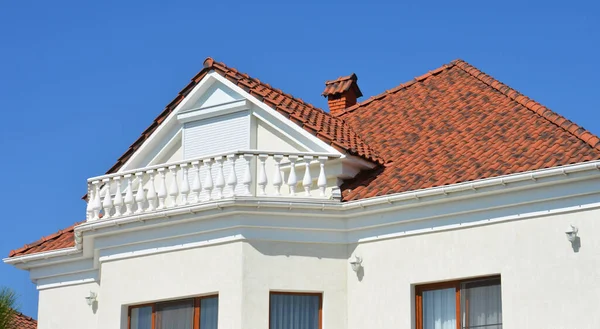
A roof can look tired long before it has reached the end of its useful life, while damage hidden beneath shingles may make a fresh finish a poor substitute for structural work. Choosing between roof restoration and roof replacement depends on the roof condition, the type of material, the extent of deterioration, and how long you plan to stay in your home. Understanding what each option can—and cannot—fix helps you weigh roofing costs against durability, disruption, and the protection your home needs.
Roof restoration and roof replacement: what each option involves
These terms describe different levels of work. Roof restoration renews an existing roof that remains fundamentally sound; roof replacement removes some or all of the old roofing system and installs new materials. Neither option is automatically better—the condition of the roof determines which one makes sense.
Restoration may include cleaning, replacing damaged components, resealing vulnerable areas, and applying a suitable protective coating. Replacement is a more extensive project, potentially involving new underlayment, flashing, ventilation details, and shingles or other covering. A sound assessment distinguishes surface wear from deeper roof damage.
Roof restoration benefits for a sound roofing system
When the roof deck and supporting structure are in good shape, restoration can address localized deterioration without replacing every layer. For example, a roof with aging but mostly intact shingles may benefit from repairs to flashing and damaged sections, followed by appropriate maintenance or treatment suited to its material.
This approach can limit construction waste and reduce the disruption of a full tear-off. However, restoration does not correct widespread structural problems or transform the roof’s design, and coatings are not suitable for every roofing material. Its value depends on the work matching the specific system rather than covering up unresolved faults.
Roof replacement advantages when deterioration is widespread
Replacement is generally the stronger option when damage is extensive, leaks recur in several areas, or the underlying deck has deteriorated. It also allows homeowners to change roofing materials, update ventilation, or address design choices that restoration cannot accommodate.
The larger scope brings more disruption, but it gives the contractor access to concealed layers that may otherwise remain unexamined. A new covering cannot guarantee a trouble-free roof, yet proper installation can reset the system’s service life and resolve problems that patching would leave behind.
Roof condition and lifespan: signs that guide the decision
Appearance offers clues, but it cannot tell the whole story. A qualified roofing contractor should inspect the covering, flashing, drainage, ventilation, and—where accessible—the roof deck before recommending a course of action.
Several findings help clarify whether restoration, repair, or replacement deserves closer consideration. Their meaning depends on how widespread they are and whether they point to damage below the visible surface.
Roof damage patterns that may support restoration
Isolated defects, such as a few missing shingles or a small area of worn flashing, may be addressed with roof repair if the surrounding materials and structure remain sound. Limited granule loss or surface aging can also be consistent with restoration, depending on the roof type and the inspector’s findings.
By contrast, repeated leaks, soft or sagging areas, extensive rot, and widespread material failure suggest deeper trouble. A stain inside the home is a warning, not a reliable map of the leak: water can travel along roof components before it appears on a ceiling.
Roof lifespan expectations and future plans
Every roofing material ages differently, and exposure, installation quality, maintenance, and local weather all influence its lifespan. Rather than relying on a general age threshold, homeowners should ask how much service life a professional expects the current system to have after the proposed work.
Future plans matter, too. If you intend to move soon, a focused repair may be reasonable when the roof is otherwise sound; if you expect to stay for many years, investing in a durable solution may better fit your priorities. The best choice supports both the roof’s actual condition and the household’s plans.
Roofing options compared: scope, disruption, and long-term value
Comparing the work side by side makes trade-offs easier to see. The table below is a general guide; actual recommendations depend on inspection results, roof design, materials, and local requirements.
| Consideration | Roof restoration | Roof replacement |
|---|---|---|
| Typical scope | Repairs and renewal of an existing, suitable system | Removal of old materials and installation of a new system |
| Best suited to | A structurally sound roof with limited or manageable deterioration | Widespread damage, recurring leaks, or a failing underlying structure |
| Design flexibility | Usually preserves the existing material and appearance | Can allow changes to material, appearance, or system details |
| Disruption | Often more limited, depending on the work involved | Usually greater because of removal, installation, and site activity |
| Key limitation | Cannot resolve extensive structural failure | Requires a larger project and careful planning |
Roofing costs vary with roof size, pitch, access, materials, labor, and the extent of hidden damage, so a universal figure would be misleading. Ask for written estimates that describe the work, materials, preparation, ventilation, cleanup, and warranty terms—not just a final total.
For Elena, two proposals might appear to offer different answers because one assumes the deck is sound while the other includes replacement of damaged sections. Clarifying assumptions with each contractor helps reveal whether the estimates describe comparable work. A detailed scope is more useful than a low figure that leaves essential tasks undefined.
Roofing contractor advice: how to choose with confidence
A recommendation is only as useful as the inspection behind it. Before committing, ask the roofing contractor to explain the evidence, distinguish urgent defects from optional improvements, and describe what could happen if the work is postponed.
These questions can make a consultation more productive and help you compare proposals fairly:
- Which areas show damage, and how extensive is it?
- Is the roof deck or supporting structure affected?
- Why is restoration or replacement more suitable than targeted repair?
- What materials and installation details are included in the proposed scope?
- How will ventilation, drainage, cleanup, and unexpected damage be handled?
Elena asks for photographs of the problem areas and learns that the leak is limited, while most of the roof remains sound. Her contractor explains a repair-and-restoration plan, identifies the conditions that would trigger reconsideration, and documents the work in writing. Another home with widespread deck damage could appropriately reach the opposite decision.
Seek more than one qualified opinion when recommendations differ substantially, and check licensing, insurance, references, and written warranty terms according to local rules. A clear inspection and transparent scope turn the choice from a guess into an informed decision.


