
Life is a precious gift, and in the animal kingdom, lifespans vary greatly. While some species can live for several decades or even centuries, others have remarkably short lifespans. With their fleeting existence, these creatures captivate our curiosity and remind us of the fragility and diversity of life on Earth. In this blog, we will explore some animals with the shortest lifespans.
1) Mayflies
Mayflies, also known as shadflies or fishflies, have one of the shortest lifespans among insects. Their adult stage is incredibly brief, lasting only a few hours to a few days. Despite their ephemeral existence, these delicate insects play a crucial role in freshwater ecosystems, serving as a vital food source for fish and other aquatic organisms.

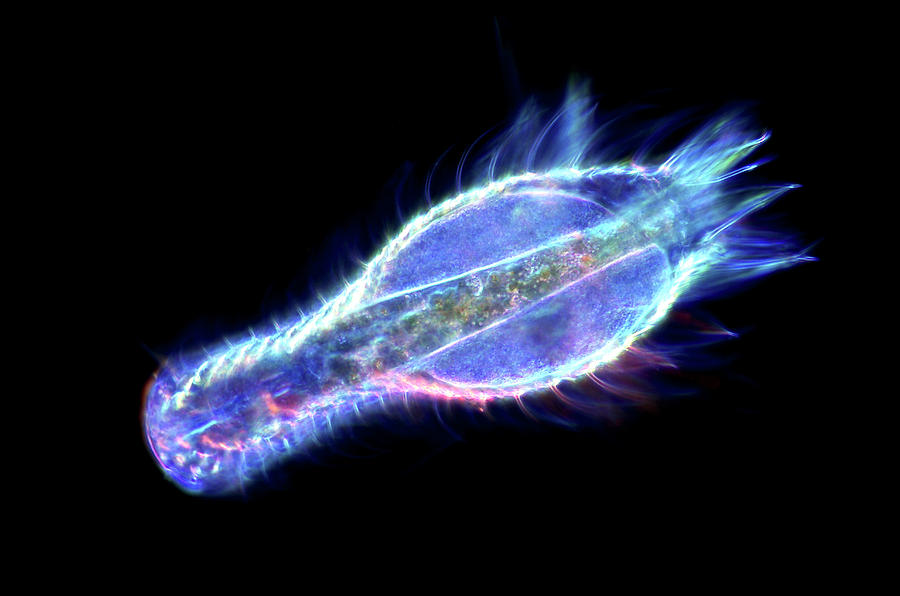
2) Gastrotrichs
Gastrotrichs are tiny aquatic animals, often measuring less than a millimeter in length. These microscopic creatures have an astonishingly short lifespan, with some species living for only a few hours. They reproduce rapidly, ensuring the survival of their species despite their fleeting presence in the water.
3) Drone Ants
Drone ants, also known as male ants, have one of the most tragic fates in the insect world. Their sole purpose is to mate with the queen. Once their mission is accomplished, they die shortly after, typically within a few weeks. While the queen ant can live for years, the drones’ lives are fleeting but vital for the survival of their colonies.

4) Ephemeral Plants
Some plants have incredibly short lifespans, blooming and producing seeds within a remarkably brief period. For instance, the aptly named annual plant called the Ephemeral (Schismus barbatus) completes its life cycle within six weeks. These plants adapt well to their environment, allowing them to grow, reproduce, and spread their seeds before the arid conditions return.

5) Pacific Salmon
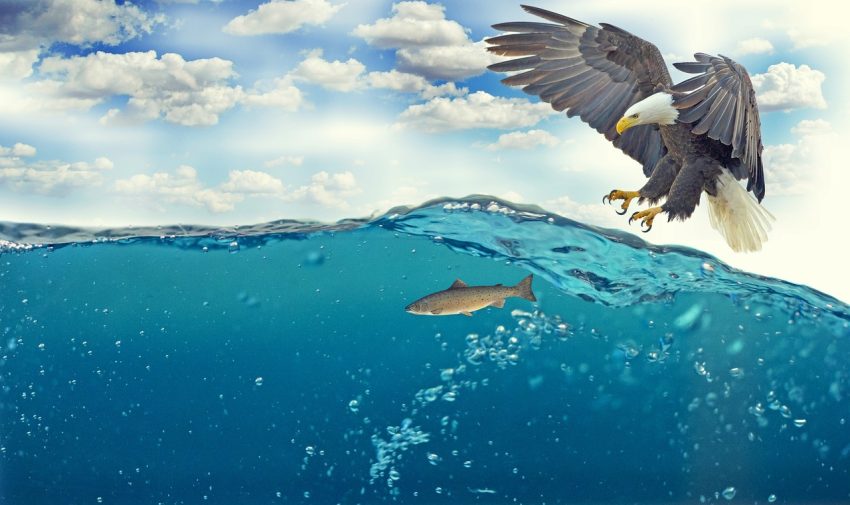
The life cycle of Pacific salmon is a remarkable journey that ends in the ultimate sacrifice. These resilient fish return to their natal rivers to spawn after spending several years in the open ocean. They rapidly deteriorate once they lay their eggs, with most Pacific salmon dying within a few days or weeks after spawning. Their bodies provide vital nutrients to the surrounding ecosystem, sustaining other organisms and contributing to the ecosystem’s overall health.

6) Short-lived Rodents
Certain rodent species have notably short lifespans. For instance, the common house mouse typically lives in the wild for only one to two years. These small creatures reproduce rapidly, allowing their populations to thrive despite their short lives. While they may be considered pests by some, they play an essential role in nutrient cycling and serve as a food source for predators.

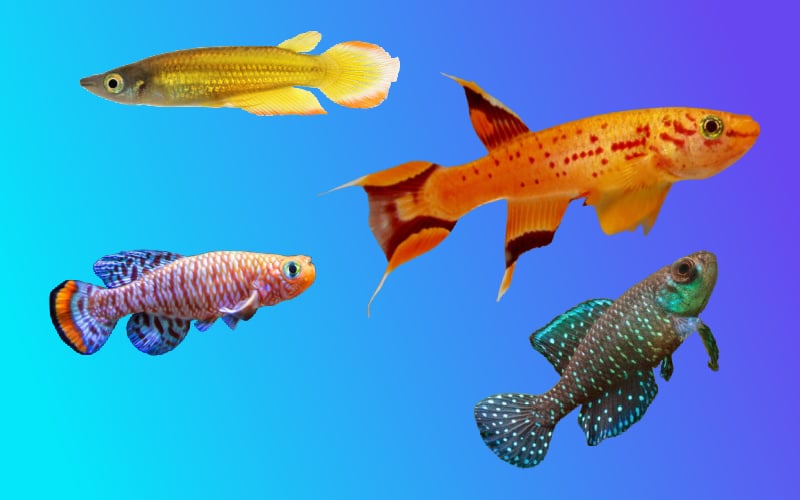
7) Annual Killifish
The annual killifish is a fascinating species found in seasonal pools and temporary bodies of water. These fish complete their entire life cycle within a few months, taking advantage of the water availability during the wet season. Their eggs can survive the dry periods until the next rainy season arrives, starting the cycle anew.
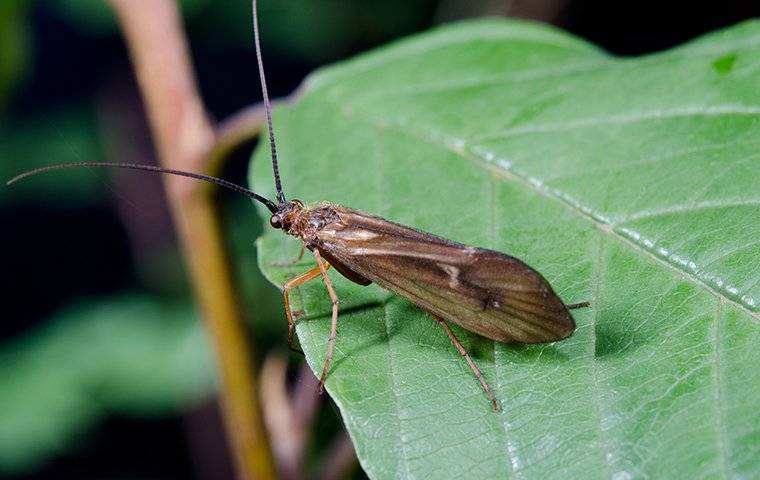
8) Caddisflies
Caddisflies are small insects known for their remarkable metamorphosis. However, their adult life is astonishingly brief, typically lasting only a few days. They focus on mating and laying eggs in aquatic environments during this short period. The larvae, which live in water, have longer lifespans and play a vital role in aquatic ecosystems as filter feeders.
These animals, with their brief moments in the grand tapestry of life, remind us of the diversity and transience of existence on our planet. While their lives may be fleeting, they contribute to the delicate balance of ecosystems and showcase the incredible adaptability of living organisms. Each of these species, despite their short lifespans, plays a vital role in the intricate web of life, reminding us to cherish every moment and appreciate the diversity of life forms that surround us.