
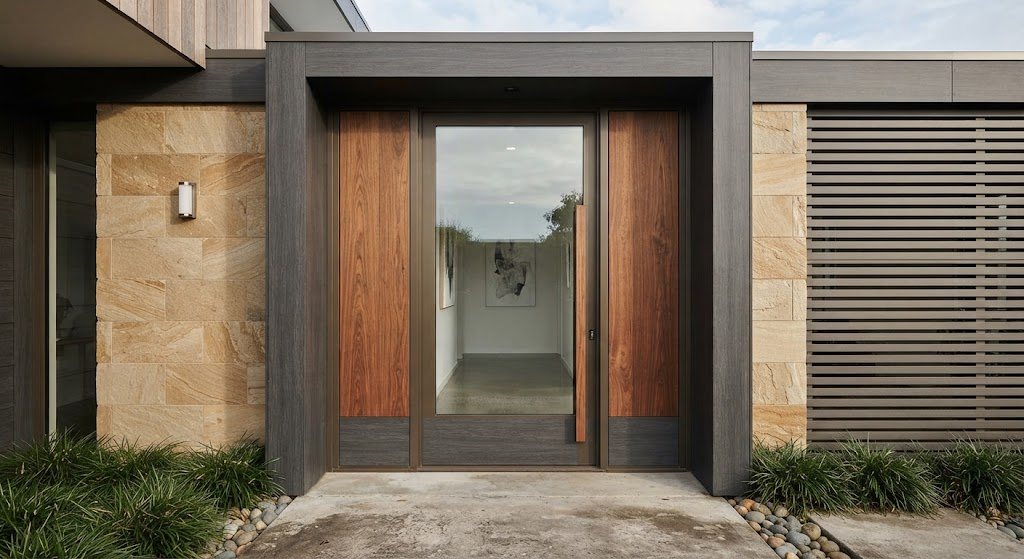
Choosing the right front door can dramatically impact your home’s aesthetic and functionality. With a variety of materials available, including glass, wood, and composite, understanding their differences is essential for making an informed decision. Each option offers unique benefits and challenges, shaping not only your home’s entryway but also its energy efficiency and security.
Understanding the Characteristics of Glass Doors
Glass doors are renowned for their ability to enhance natural light and create an open, airy feel in any space. These doors come in different styles, ranging from sliding patio doors to elegant French doors.
Advantages of Glass Doors
One of the significant advantages of glass doors is their aesthetic appeal. They provide unobstructed views of the outdoors, making them a popular choice for homeowners who want to merge their indoor and outdoor spaces.
- Natural Light: Glass doors flood the interior with sunlight, enhancing the ambiance of your home.
- Visual Appeal: The contemporary look of glass doors can elevate the overall style of your home.
- Space Efficiency: They often create the illusion of more space, particularly in smaller areas.
However, glass doors can come with drawbacks. Privacy can be a concern, and they generally require regular cleaning to maintain clarity. Additionally, they may not be the best insulators if not double-glazed or treated.
Exploring the Qualities of Wood Doors
Wood doors have long been a traditional choice, known for their warmth and character. They can be found in solid and engineered varieties, each offering distinct benefits.
Pros and Cons of Wood Doors
Wood doors stand out for their aesthetic versatility. Whether you desire a rustic, vintage look or a sleek, modern finish, wood can be shaped, painted, or stained to fit your vision.
- Customization: Wood doors can be tailored in numerous styles and finishes, making them highly adaptable.
- Insulation: They provide excellent thermal insulation, keeping homes warm during winter and cool in summer.
- Durability: With proper care, wood doors can last for decades, adding value to your home.
Despite their many advantages, wood doors require regular maintenance to prevent warping and decay. Homeowners may find themselves painting or sealing their doors annually, especially in regions with fluctuating weather.
Analyzing Composite Doors: The Best of Both Worlds
Composite doors have gained popularity in recent years as a hybrid option that combines the advantages of both wood and synthetic materials. Made from various materials—including wood fibers, plastic, and insulating foam—composite doors are designed to deliver performance and durability.
Benefits and Drawbacks of Composite Doors
One of the key features of composite doors is their low maintenance requirement. Unlike wood, they don’t require regular painting or staining, and they are resistant to warping and fading.
- Durability: Composite doors are impact-resistant and often come with warranties against damage.
- Energy Efficiency: The combination of materials allows for excellent insulation, improving energy savings in homes.
- Eco-Friendly: Many composite doors are made from recycled materials, making them a sustainable choice.
Nonetheless, composite doors can sometimes lack the elegance associated with solid wood, and high-quality options can be more expensive than traditional wood doors.
Making the Right Choice: What to Consider
When selecting the ideal door material, several factors should guide your decision. Consider the climate in your region, the level of maintenance you are willing to commit to, and your budget. Each door type brings a unique character to your home, reflecting your personal style and practical needs.
In addition to these factors, think about the purpose of the door. Are you looking for maximum security, aesthetics, or energy efficiency? For example, fiberglass doors might offer the durability and energy efficiency you require but may not deliver the character associated with wood. Similarly, glass doors excel in aesthetics but might not be the right choice if insulation is a priority in your climate.
Conclusion
Choosing between glass, wood, and composite doors ultimately depends on your individual requirements and expectations. When exploring door for sale options, it is important to compare the benefits of each material. While glass doors illuminate your home, wood provides timeless charm and durability, and composite doors offer a blend of performance and style.


