
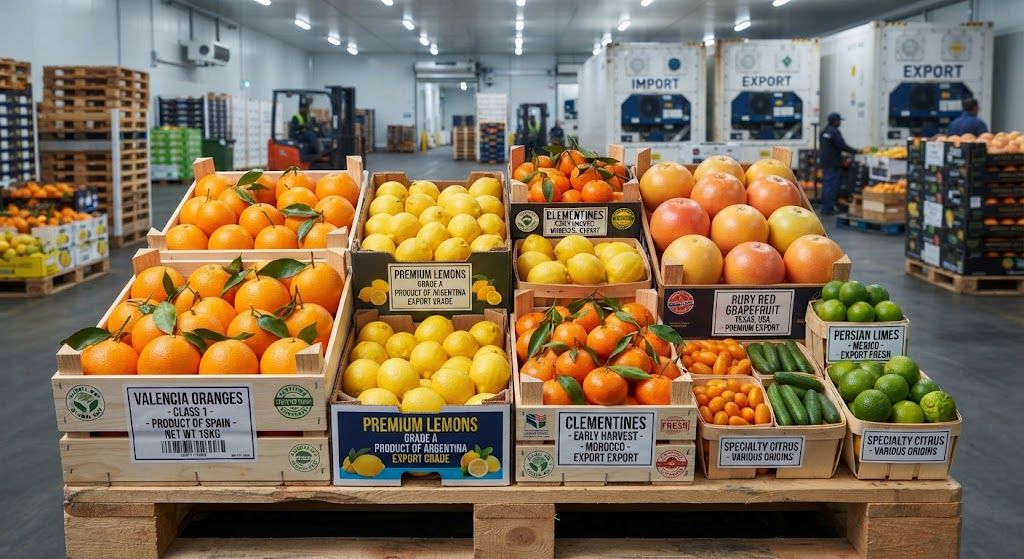
The global market for citrus fruits is vast and increasingly diverse, reflecting changing consumer preferences. As the demand for fresh produce rises, various citrus varieties are being imported to satisfy the appetite for unique flavors and health benefits. Understanding the types of citrus fruits commonly handled through imports can not only enrich our plates but also support a global agricultural economy.
Exploring Popular Citrus Varieties in Fresh Produce Imports
When discussing fresh produce imports, several citrus varieties stand at the forefront due to their flavor profiles, market demand, and adaptability. Major players include oranges, lemons, and limes, each bringing unique characteristics to the table.
Identifying Key Citrus Varieties
Among the many enticing options, particularly notable citrus varieties are:
- Oranges: Known for their vibrant taste and juiciness, oranges are a staple in households, often used in juices and fresh salads.
- Lemons: A versatile fruit, lemons add acidity to dishes and are essential in drinks, both alcoholic and non-alcoholic.
- Limes: With a sharper flavor, limes enhance various cuisines, especially in Mexican and Southeast Asian dishes.
These citrus fruits not only contribute to the culinary world but also dominate import markets, especially in the United States, where demand frequently surpasses local production capabilities.

Evaluating Markets and Import Trends
Understanding market trends is vital for businesses involved in citrus imports. Factors such as seasonal changes, consumer preferences, and international trade agreements all influence the flow of citrus fruits across countries.
Analyzing Seasonal Demand
Seasonal shifts significantly impact import rates. Winter months see an increase in demand for citrus as people seek fresh produce during cold weather. This is particularly true for:
- Oranges: Often consumed fresh or made into juice.
- Grapefruits: Known for their distinct taste, providing a healthy breakfast option.
- Tangerines: Valued for their easy peel and sweet flavor, ideal for snacking.
These seasonal spikes often lead to record-high import levels as suppliers aim to meet consumer demands.
Understanding Import Regulations and Standards
Engaging in the citrus import business requires a clear understanding of various regulations and standards established to ensure quality and safety.
Complying with Safety Standards
Every country has stringent safety protocols in place, affecting the import of citrus fruits. This includes:
- Phytosanitary regulations: Ensuring that fruits are free from pests and diseases.
- Quality standards: Based on size, color, and ripeness of the fruit.
- Labeling requirements: Providing necessary information on the packaging to maintain transparency.
These compliance measures not only protect consumers but also enhance the reliability of importers in the market.
Innovating Supply Chain Solutions for Citrus Imports
The logistics of importing citrus is a challenge that requires innovative solutions to enhance efficiency and reduce spoilage. Companies in the citrus import sector are increasingly adopting technology to streamline their supply chains.
Leveraging Technology for Efficiency
Emerging technologies play a pivotal role in optimizing the supply chain process. Key innovations include:
- Blockchain technology: Enhancing traceability and transparency in the supply chain.
- Smart sensors: Monitoring temperature and humidity to reduce spoilage during transport.
- Data analytics: Anticipating demand trends and optimizing inventory management.
By embracing these advancements, companies can ensure fresher products reach consumers and improve overall satisfaction.
Envisioning Future Trends in Citrus Imports
Looking ahead, the future of citrus imports appears promising as consumer preferences evolve and technology continues to advance. Sustainability and health consciousness are becoming increasingly important to consumers.
Emphasizing Sustainability in Citrus Production
As awareness about environmental issues rises, consumers are leaning towards sustainably sourced produce. Essential aspects include:
- Organic cultivation: Increasing popularity as consumers seek healthier options.
- Fair trade practices: Ensuring that farmers receive fair compensation.
- Reduced carbon footprints: Focusing on local sourcing where possible.
These trends not only foster healthier ecosystems but also strengthen the market value of imported citrus fruits.
In conclusion, understanding the different citrus varieties commonly handled through fresh produce imports helps businesses better manage their sourcing, storage, and distribution needs. Each variety has specific characteristics that can influence handling and market demand. Working with fresh produce import experts can also support efficient sourcing and reliable supply management.


