
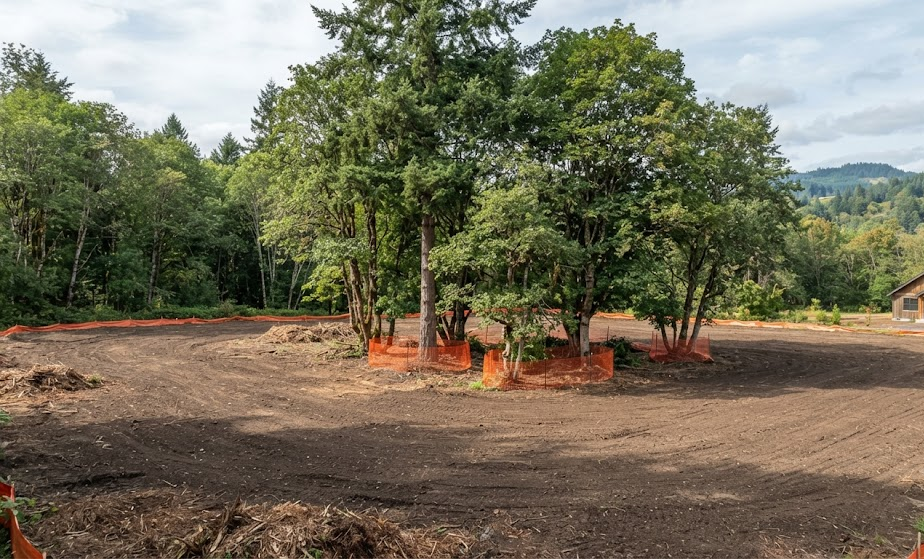
In a world increasingly aware of environmental concerns, the practice of selective land clearing has emerged as a beacon of hope for landscape preservation. This method not only emphasizes responsible stewardship but also allows landowners to maximize the value of their properties while nurturing ecological health. Let’s delve into the intricacies of selective land clearing and its numerous benefits.
Understanding Selective Land Clearing Techniques
Selective land clearing involves the strategic removal of certain vegetation while keeping the surrounding ecosystem intact. This approach is paramount for maintaining biodiversity and soil health. Here are some effective techniques commonly employed:
- Mechanical Clearing: Utilizes heavy machinery like bulldozers and mulchers to quickly remove unwanted vegetation.
- Manual Clearing: Involves hand tools for precise removal of specific plants, minimizing disturbance to the environment.
- Controlled Burning: Engages fire to clear areas naturally while enhancing soil nutrients.
Each method serves a unique purpose and, when used appropriately, contributes to a healthier landscape.
Benefits of Mechanical and Manual Clearing
Choosing between mechanical and manual clearing depends heavily on the specific requirements of the site. Mechanical clearing is efficient, ideal for larger areas with dense vegetation, enabling rapid removal. However, this method can disturb the soil if not conducted carefully. On the other hand, manual clearing, while labor-intensive, allows for a more sensitive approach which can be crucial in protecting nearby flora and fauna.
Selecting Equipment for Optimal Results
Using the right tools is essential for effective land clearing. A variety of equipment is available, each tailored to specific tasks:
- Bulldozers: Perfect for pushing over large trees and clearing debris quickly.
- Skid Steer Loaders: Versatile machines that can be outfitted with mulching heads for optimal clearance.
- Stump Grinders: Essential for removing stumps to prevent regrowth and ensure a smoother surface.
Selecting the appropriate machinery not only saves time and money but also minimizes the environmental footprint through reduced soil disturbance.
Exploring Diverse Land Clearing Methods
Various land clearing methods exist, each with specific advantages. Understanding these options empowers landowners to select the most suitable approach:
- Chemical Clearing: Involves herbicide application to control unwanted plants, though it demands meticulous management to avoid harming desirable species.
- Mechanical and Manual Combination: A hybrid approach often yields the best results; machinery can tackle large trees, while manual labor can manage smaller plants and debris efficiently.
This mixed methodology balances efficiency and ecological sensitivity, ensuring the landscape is preserved while meeting clearing objectives.
Environmental Considerations in Selective Clearing
Engaging in selective land clearing necessitates an awareness of environmental implications. It’s vital to implement practices that minimize harm:
- Preserve Topsoil: Maintain the fertile layer by avoiding excess disturbance during clearing.
- Protect Water Sources: Keep activities away from wetlands and streams to prevent contamination.
- Control Erosion: Employ silt fences and mulch to limit soil loss and protect the landscape.
By adhering to these guidelines, landowners can mitigate negative impacts while effectively preparing their land.
Practical Tips for Successful Land Clearing Projects
To streamline the land clearing process, consider the following recommendations:
- Assess the Site: Evaluate vegetation types and obstacles to tailor your approach.
- Obtain Necessary Permits: Ensure compliance with local regulations to avoid legal issues.
- Hire Professionals: Skilled operators can effectively manage equipment, ensuring safety and efficiency.
Following these steps facilitates a smooth land clearing experience while maximizing effectiveness and minimizing complications.
Preparing Your Land for Future Use
Once the land is cleared, preparation for its intended purpose becomes paramount. Properly planning your next steps ensures the long-term success of your project:
- Level the Ground: Use grading equipment to create a smooth surface for upcoming developments.
- Improve Soil Quality: Enrich the land with compost or fertilizers to foster growth.
- Plan Landscaping: Strategically design layouts for planting and pathways to create a functional and aesthetically pleasing environment.
By taking these actions, you’ll ultimately set a solid foundation for your new project. Effective land clearing is indispensable to achieving a balance between development and ecological preservation.


