
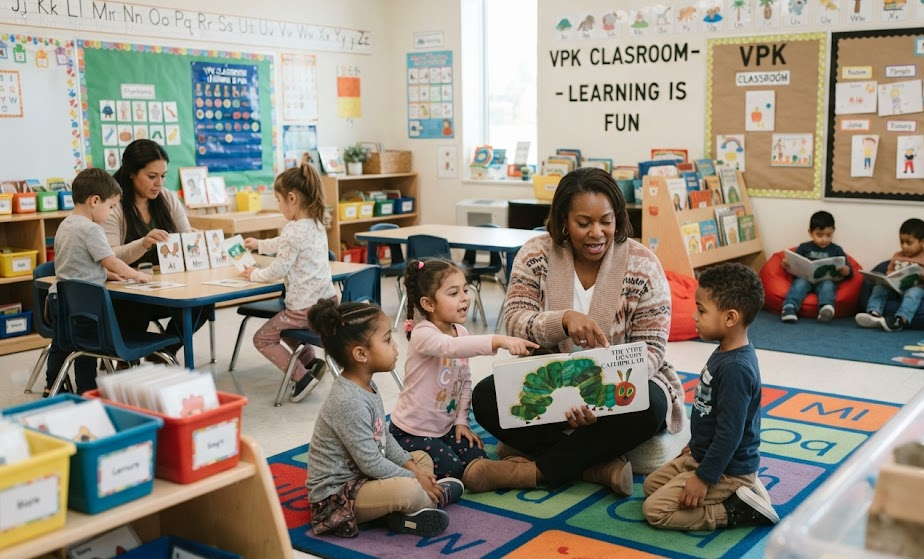
As the foundation for future academic success, early literacy development shapes a child’s learning journey. The Voluntary Pre-Kindergarten (VPK) program plays a pivotal role in nurturing essential literacy skills in young learners. This article explores how VPK provides a vibrant framework for fostering early literacy through engaging activities and effective instruction.
Cultivating Early Literacy Skills in VPK Classrooms
The VPK program emphasizes the significance of early literacy skills, recognizing that children must develop the ability to read, write, and communicate effectively before they enter kindergarten. By integrating playful, hands-on activities within a structured curriculum, VPK educators create a stimulating environment where children can thrive.
Engaging Activities That Promote Literacy
At the heart of VPK lies a diverse range of activities tailored to foster literacy skills. These activities include storytelling sessions, phonemic awareness exercises, and interactive read-alouds, allowing children to immerse themselves in language-rich experiences. Such exposure not only enhances listening skills but also encourages verbal expression. Key activities encompass:
- Storytelling and Read-Alouds: Children engage with stories, enhancing their vocabulary and comprehension abilities.
- Phonics Games: Fun, interactive games allow children to connect sounds with letters, promoting phonemic awareness.
- Writing Exercises: Simple writing tasks, like journaling or letter formation, help solidify their understanding of written language.
Fostering a Love for Reading
VPK classrooms strive not only to equip children with necessary skills but also to instill a lifelong love for reading. By creating an inviting reading culture, children learn to associate reading with joy and exploration. Strategies employed include:
Interactive Literacy Centers
Establishing dedicated literacy centers within VPK classrooms provides children with opportunities for self-directed learning. These centers include colorful bookshelves, writing stations, and creative storytelling areas, inviting exploration. Children are encouraged to choose their activities, fostering autonomy and excitement about literacy.
Family Engagement in Literacy Development
Meaningful parental involvement plays a vital role in enhancing early literacy. VPK programs often encourage parent participation to create a collaborative effort in a child’s literacy journey. Key initiatives include:
- Workshops for Parents: Educational sessions equip parents with skills to support literacy at home.
- Reading Challenges: Incentives for families to read together, fostering a shared reading routine.
- Communication Platforms: Keeping parents informed through newsletters and digital updates enhances collaborative efforts.
Integrating Technology in Early Literacy
In an increasingly digital world, integrating technology into VPK has become essential. Thoughtfully chosen educational apps and interactive e-books can complement traditional literacy activities. However, educators must balance screen time with hands-on experiences to maintain engagement and depth in learning.
Benefits of Interactive Learning Tools
Using technology effectively can enhance learning experiences. Educational apps designed for young learners promote engagement and interactivity, providing children with immediate feedback on their progress. As they navigate games that focus on phonics or vocabulary, children can develop confidence and excitement in their abilities.
Assessment and Progress Monitoring in VPK
Monitoring progress is vital to ensure each child is developing crucial literacy skills. VPK employs various assessment tools to track growth and identify areas needing additional support. These assessments guide targeted instruction and curriculum adjustments, ensuring all children receive personalized learning experiences.
Personalizing Learning through Data
Data collected through assessments offers invaluable insights into each child’s literacy development. Educators can tailor instruction to meet individual needs, ensuring a thorough understanding of foundational skills. This responsiveness not only nurtures emerging literacy but also builds children’s self-efficacy as learners.
Preparing for the Transition to Kindergarten
As VPK fulfills its mission of fostering early literacy, it also prepares children for the rigorous demands of kindergarten. By equipping them with critical thinking and communication skills, VPK lays the groundwork for future academic endeavors. Essential competencies include:
- Collaboration: Working in groups fosters social skills and cooperative learning.
- Problem-Solving: Engaging in literacy activities that require critical thinking develops problem-solving abilities.
- Independence: Encouraging self-directed learning prepares children for the autonomy expected in kindergarten.
The integration of these skills not only boosts literacy but empowers children to become confident learners, ready to embrace their educational journeys.


