
In the quest for a more sustainable future, the role of recycling cannot be overstated. Among the myriad materials that find their way into recycling programs, cardboard stands out as a versatile and eco-friendly contender. Let’s delve into the importance of cardboard recycling, exploring the environmental benefits and practical ways individuals and businesses can contribute to a greener tomorrow.
The Lifecycle of Cardboard
Harvesting and Production
Cardboard, a type of paperboard made from wood pulp, begins its journey with the harvesting of trees. Sustainable forestry practices play a crucial role in ensuring a renewable source for this material. Once harvested, the wood undergoes a pulping process, breaking it down into fibers that form the basis of cardboard production.
Manufacturing and Use
In the manufacturing phase, these fibers are transformed into cardboard sheets through pressing and drying. The resulting material is then used to create a multitude of products, from packaging boxes to corrugated sheets. The widespread use of cardboard in various industries makes it a staple in daily life.
The Environmental Impact of Cardboard
Biodegradability and Recycling
One of the standout features of cardboard is its inherent biodegradability. When left to decompose, cardboard breaks down naturally, posing minimal harm to the environment. However, the true environmental heroism of cardboard lies in its recyclability.
Reducing Landfill Waste
Opting for cardboard recycling significantly reduces the volume of waste in landfills. Cardboard, when left to decompose in a landfill, contributes to the generation of methane, a potent greenhouse gas. By diverting cardboard from landfills, we mitigate the environmental impact and take a step toward a cleaner atmosphere.
The Process of Cardboard Recycling
Collection and Sorting
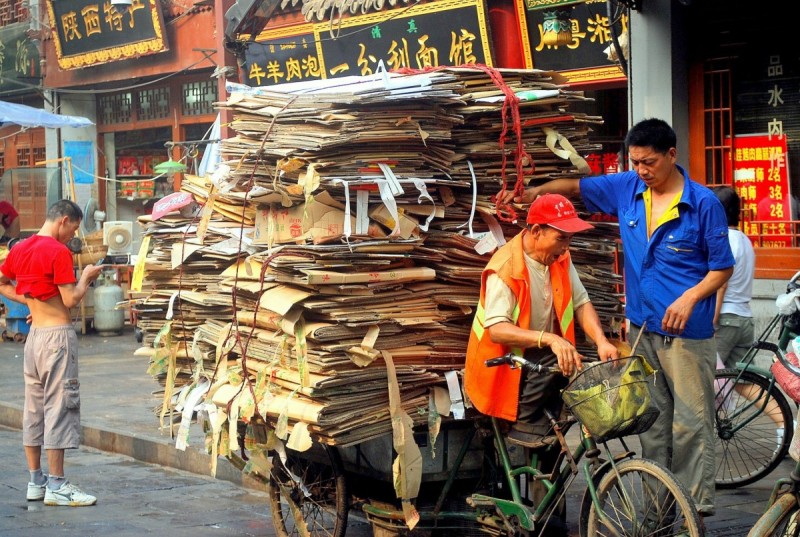
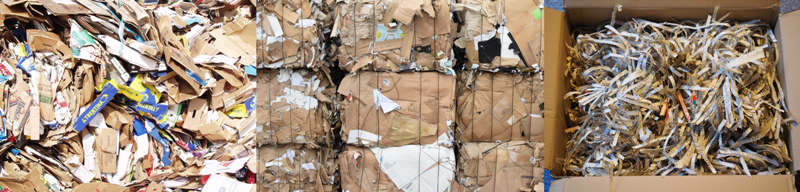
The journey of cardboard recycling begins with collection. Individuals and businesses alike can contribute by separating cardboard from other recyclables. In recycling facilities, advanced sorting systems streamline the process, ensuring that only clean and uncontaminated cardboard enters the recycling loop.
Pulping and De-Inking
Once sorted, the cardboard undergoes a pulping process similar to its initial manufacturing. This process breaks down the fibers, creating a pulp that can be used to manufacture new cardboard products. De-inking is a crucial step for cardboard that has been printed on. Chemical and mechanical processes remove inks and dyes, ensuring a clean and high-quality pulp.
Remanufacturing
The refined pulp is then used to create new cardboard products. Remanufacturing cardboard consumes significantly less energy compared to producing it from raw materials. This aspect of cardboard recycling contributes to energy conservation and a reduction in overall environmental impact.
Practical Steps for Individuals and Businesses
Efficient Collection Systems
Implementing efficient cardboard collection systems is the first step for both individuals and businesses. Setting up designated bins for cardboard encourages proper disposal and streamlines the recycling process.
Education and Awareness
Educating individuals about the recyclability of cardboard and the environmental benefits of recycling is key. Businesses can play a vital role by raising awareness among employees and customers about the importance of separating cardboard from general waste.
Collaboration with Recycling Facilities
Businesses should explore collaborations with local recycling facilities to ensure that their cardboard waste is efficiently processed. Understanding the recycling guidelines and requirements of these facilities enhances the effectiveness of the recycling efforts.
Building a Sustainable Tomorrow
In conclusion, the significance of cardboard recycling in building a greener tomorrow cannot be emphasized enough. From its initial lifecycle to the recycling process, cardboard proves to be an environmentally friendly material that, when handled responsibly, contributes to a sustainable future.
By opting for cardboard recycling, individuals and businesses play a pivotal role in reducing landfill waste, conserving energy, and curbing the environmental impact of cardboard production. As we collectively embrace the importance of recycling, particularly in the case of cardboard, we take a significant step toward creating a world where sustainability is not just a goal but a way of life.