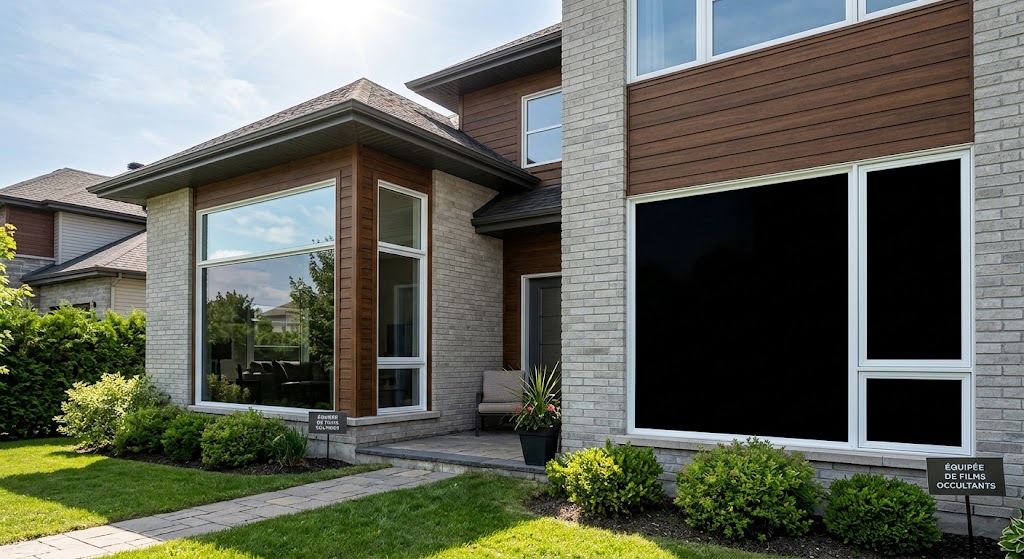
Choosing the right window film can improve indoor comfort, manage sunlight, and increase privacy without replacing existing windows. However, solar control films and privacy films serve different purposes, even though some products combine both functions. Understanding their features, limitations, and ideal applications helps homeowners select home window tinting solutions that suit their property and daily needs.
Understanding Solar Control Window Films
Solar control window films are designed to reduce the amount of solar energy entering a home through its windows. Depending on the product, they can reduce heat gain, limit glare, and block a high percentage of ultraviolet (UV) radiation. These properties can make rooms more comfortable, particularly when windows receive direct sunlight for extended periods.
Managing Heat and Glare
Solar control films are available in different shades, finishes, and performance levels. Their effectiveness depends on the film technology, window orientation, glazing type, and local climate.
Key benefits include:
-
Reduced solar heat gain: Certain films limit the amount of solar energy passing through the glass, helping rooms remain more comfortable.
-
Improved glare control: Lower glare can make screens easier to view in home offices and living areas.
-
UV protection: Many films block a substantial proportion of UV radiation, helping reduce fading of furniture, flooring, and fabrics.
-
Daylight management: Selected products reduce excessive brightness while allowing useful natural light to enter.
Exploring Privacy Window Films
Privacy window films are designed primarily to limit visibility through glass. Their performance varies according to the film’s finish, lighting conditions, and viewing angle. Frosted, decorative, reflective, and opaque films each offer different levels of visual screening.
Choosing the Right Privacy Level
The most suitable film depends on how much visibility needs to be restricted and whether natural light must be preserved.
Common options include:
-
Frosted films: Diffuse light and obscure clear views, making them suitable for bathrooms, entrance sidelights, and interior glass partitions.
-
Reflective films: Create a mirror-like appearance on the brighter side of the glass under suitable lighting conditions.
-
Decorative films: Add patterns or textured effects while reducing direct visibility.
-
Opaque films: Prevent most or all visibility through the covered area, although they also block the view and may substantially reduce daylight.
Comparing Solar Control and Privacy Films
Although both film categories can alter the appearance of windows, their primary functions differ. Solar control films focus on managing sunlight and solar energy, while privacy films prioritise restricting visibility.
Evaluating Their Main Differences
The following comparison highlights the characteristics homeowners should consider when selecting window tinting products.
| Feature | Solar Control Films | Privacy Films |
|---|---|---|
| Primary purpose | Reduce solar heat gain and glare | Limit visibility through glass |
| Daylight | Varies by film type and shade | Depends on opacity, pattern, and finish |
| Heat management | Often a key performance benefit | Varies; not the main purpose of every product |
| Privacy | Limited unless designed for reflective privacy | Main objective, depending on product and lighting |
| Common applications | Sun-exposed living rooms and home offices | Bathrooms, bedrooms, and overlooked windows |
| Appearance | Clear, tinted, or reflective finishes | Frosted, patterned, reflective, or opaque finishes |
Product specifications should be checked carefully because films within the same category can perform differently. Some solar control products also offer daytime privacy, while certain privacy films provide additional UV protection.
Matching Window Films to Different Rooms
Selecting a film for each room helps balance comfort, visibility, and natural light. A solution that works well in a sun-facing living room may not be suitable for a bathroom or bedroom.
Considering Specific Household Needs
Before purchasing a film, assess the room’s exposure, intended use, and privacy requirements.
-
Living rooms: Solar control films can reduce glare and heat gain through windows exposed to strong sunlight.
-
Home offices: Films that manage glare can improve screen visibility while maintaining access to daylight.
-
Bathrooms: Frosted privacy films obscure views without necessarily making the room completely dark.
-
Bedrooms: Privacy-focused products can limit outside visibility, although window coverings may be preferable for complete nighttime privacy.
-
Street-facing windows: Decorative or frosted films can screen selected areas while preserving light through uncovered sections.
For rooms with multiple requirements, dual-purpose films may offer a practical compromise. However, their performance should be verified against both solar and privacy specifications.
Considering Installation and Long-Term Performance
Correct installation is essential for achieving the intended results. The condition of the glass, film compatibility, and application technique can affect appearance, durability, and performance.
Checking Compatibility and Maintenance
Before installing home window tinting, homeowners should consider several practical factors:
-
Glass compatibility: Certain films may be unsuitable for particular glazing types because of thermal stress or manufacturer restrictions.
-
Professional installation: Experienced installers can assess the glass and recommend products appropriate for the window configuration.
-
Maintenance requirements: Cleaning methods should follow the film manufacturer’s instructions to avoid scratching or damaging the surface.
-
Local conditions: Sun exposure, climate, and building requirements may influence product selection.
-
Warranty coverage: Check the terms for fading, bubbling, peeling, and other potential defects.
Film selection should also account for the window manufacturer’s recommendations and any applicable building or strata requirements.
Comparing specifications, assessing room conditions, and confirming glass compatibility can help homeowners make a suitable investment. With the right window film, it is possible to improve indoor comfort, preserve useful daylight, and achieve a level of privacy that matches the needs of each living space.