
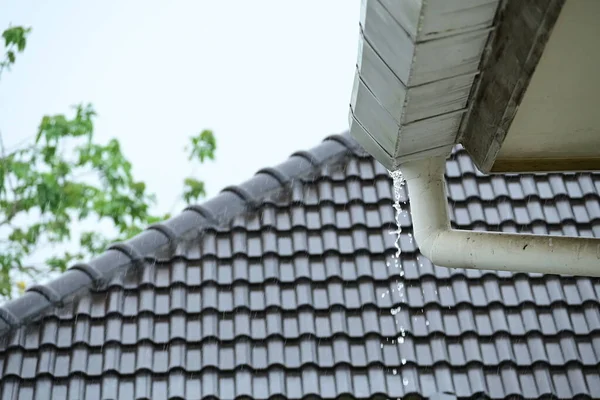
A roof leak rarely begins where the water finally appears. It may enter beside a chimney, slip beneath a lifted shingle, or pass through a cracked seal around a vent before tracing rafters and insulation to a ceiling stain elsewhere in the house.
Understanding these hidden pathways makes it easier to prevent further damage. From damaged shingles and flashing failure to clogged gutters and attic condensation, the usual causes are often visible before they become serious—provided homeowners know what to look for and when to arrange a professional roof inspection.
Roof leak causes: vulnerable points and aging materials
Most roof leaks start where the roof is interrupted or where protective materials have worn down. Maya, a homeowner in a rainy area, noticed a brown mark in her hallway ceiling; tracing the water backward revealed a gap beside a chimney several metres away.
These common trouble spots explain why a small defect can lead to damage inside walls, ceilings, and attic spaces.
Flashing failure around roof joints
Metal flashing seals transitions around chimneys, skylights, walls, and roof valleys. Sealant can shrink, metal can corrode, and seasonal expansion can loosen a joint, allowing water to seep beneath the roofing. Even a relatively new roof can leak if this detail was poorly installed.
Damaged shingles and roof punctures
Wind can lift shingles, hail can bruise them, and foot traffic may crack them. A missing or broken shingle exposes the underlayment, which slows water but is not designed to provide permanent protection. Roof punctures from branches, pests, or deteriorated decking can create a more direct route indoors.
Clogged gutters and ice dams
Leaves and twigs in clogged gutters prevent water from draining away from the roof edge. In freezing climates, meltwater may refreeze at the eaves and form ice dams; backed-up water can then work beneath shingles and soak the roof deck and fascia.
Age also matters. As asphalt shingles weather, they lose protective granules, become brittle, and may curl or crack; a roof nearing the end of its expected service life is more vulnerable during severe weather.
Roof leak warning signs and effective leak detection
Water can travel along the underside of roof decking or a rafter before dripping onto a ceiling. For that reason, the location of a stain is a clue, not proof that the defect is directly above it.
Careful leak detection compares signs inside the home with conditions in the attic and on the roof. Look for these indicators, but avoid climbing onto a wet or steep surface.
- Brown ceiling rings, bubbling paint, or a musty smell that worsens after rain.
- Dark marks on rafters, damp or compressed insulation, rusted nail shanks, or daylight near a roof opening.
- Curled shingles, loose flashing, rust streaks, or unusual amounts of granules near downspouts.
If a stain expands after each storm, arrange an assessment promptly. A professional follows the moisture trail across the interior, attic, roof surface, and perimeter rather than simply patching the ceiling or the spot immediately above it.
Roof leak prevention through regular maintenance
Preventive maintenance is usually less disruptive than repairing soaked insulation or rotting roof decking. A seasonal routine helps catch small failures early, while a qualified roofer can check details that are difficult to assess safely from the ground.
For most homes, practical upkeep includes a few repeatable steps:
- Clear gutters in spring and fall, and remove debris after major storms.
- Trim branches that hang over the roof and look for visible storm damage from the ground.
- Have cracked pipe boots, loose flashing, and damaged shingles repaired without delay.
- Check attic ventilation and insulation for signs of condensation or persistent dampness.
Good ventilation matters because warm, moist indoor air can condense in a cold attic, creating wet surfaces that resemble a roof leak. Sealing air gaps between living areas and the attic, while maintaining suitable airflow, can reduce that risk.
A professional roof inspection is especially useful after severe weather, when a leak returns after repair, or when a roof is aging. For broader home upkeep, these practical property-care ideas can complement a roof-specific maintenance plan.
Roof leak repairs and damage control
When water is actively entering the home, protect people and belongings first. Move furniture, place a container beneath drips, and, if it is safe, use a tarp as a temporary exterior cover while arranging emergency repairs with a roofing professional.
Do not walk on a wet roof or attempt to seal a leak from an unstable ladder. Temporary waterproofing can limit exposure, but it is not a substitute for identifying the entry point and repairing the underlying defect.
A roofer may inspect flashing, valleys, vents, skylights, shingles, gutters, and the attic before recommending a lasting fix. Keep dated inspection notes and photographs; they can help track recurring problems and document the roof’s condition for future maintenance or an insurance discussion.
Roof leak inspection choices and next steps
Different symptoms point toward different areas, but only a complete assessment can establish the source. This guide can help homeowners decide what to report when booking an inspection.
| Observed sign | Possible source | Recommended response |
|---|---|---|
| Stain near a fireplace | Chimney flashing or masonry joint | Arrange an inspection of the chimney connection. |
| Damp ceiling after wind | Lifted or missing shingles, or a roof puncture | Request a prompt storm-damage assessment. |
| Water at the eaves in winter | Clogged drainage or ice dams | Have drainage and attic conditions checked safely. |
| Musty attic with wet insulation | Roof leak or condensation | Ask a professional to assess both ventilation and roofing. |
When comparing inspection options, ask what areas will be checked and whether the findings will be documented. A roof specialist can distinguish a leak from condensation, recommend appropriate waterproofing, and explain whether a repair or broader work is needed; homeowners can also consult additional home-maintenance guidance alongside that tailored advice.