When planning a trip, selecting the right hotel room can significantly impact your overall experience. With a variety of room types available, understanding the nuances can help you avoid any unpleasant surprises. This guide delves into the different classifications of hotel rooms, equipping you with the knowledge needed to make informed choices.
Exploring the Basics of Hotel Room Types
Hotel rooms are generally categorized based on several key factors, primarily bed configuration, occupancy, layout, and tier. Understanding these classifications not only simplifies the booking process but also enhances your travel experience.
Understanding Bed Configurations
One of the fundamental ways hotels classify rooms is by bed configuration. The type and number of beds play a crucial role in determining how the room is marketed. Here are some common configurations:
- Single Room: Designed for one person, usually featuring a twin bed.
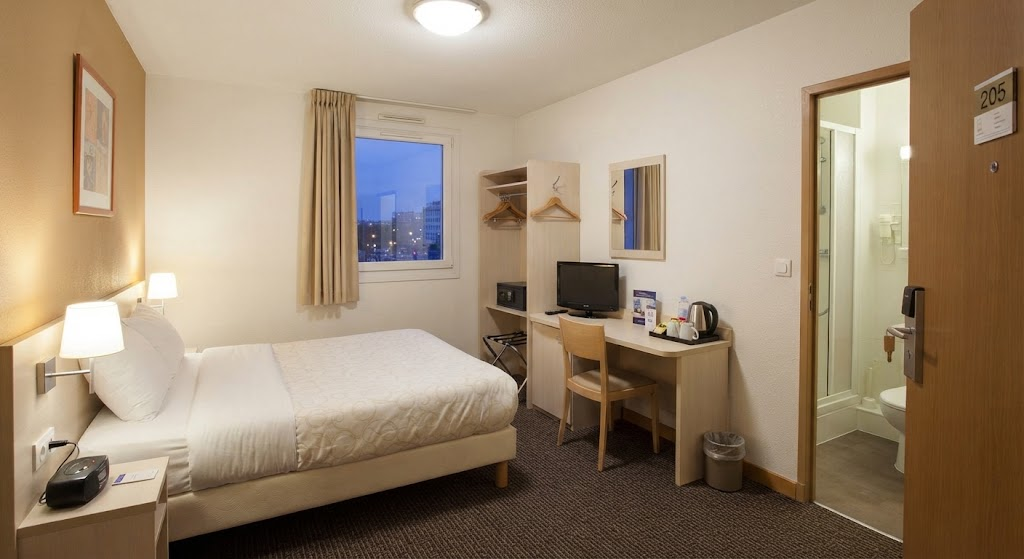
- Double Room: Accommodates two guests with one double or queen-sized bed.
- Twin Room: Contains two single beds, ideal for friends or colleagues traveling together.
- Queen Room: A slightly larger room with a queen bed, catering to solo travelers or couples who prefer a bit more space.
- King Room: Equipped with a king-sized bed, offering more sleeping space and often higher-end amenities.
Evaluating Room Capacity
Room capacity is another essential factor. Hotels often categorize rooms based on the maximum number of guests they can comfortably accommodate. This classification is vital for ensuring you don’t book a room that’s too cramped for your needs.
- Single Occupancy: Designed for one guest.
- Double Occupancy: Suitable for two guests.
- Triple Occupancy: Can comfortably accommodate three guests, usually with a combination of beds.
- Quad Occupancy: Ideal for larger groups, usually accommodating four guests.
Examining Layout and Functionality
Beyond bed types and occupancy, the layout and overall functionality of a room can greatly influence its appeal. Understanding these aspects not only allows for better booking choices but also caters to specific needs.
Room Layout Types
Rooms can often be categorized by their layout and intended use, which can range from basic single rooms to luxurious suites:
- Studio Room: Combines sleeping and living areas, typically with kitchenettes, catering to long-stay guests.
- Suite: Features separate areas for sleeping and living, offering a more spacious experience.
- Junior Suite: A larger open-plan room with a separate seating area but no dividing wall.
- Connecting Rooms: Two rooms connected by an internal door, making them ideal for families or groups.
- Accessible Rooms: Designed for guests with mobility challenges, featuring specific amenities like roll-in showers and proper door widths.
Understanding Tiered Room Categories
Hotels often introduce tiered room categories to differentiate spaces based on amenities and overall luxury. This can significantly affect your experience and price point.
Types of Premium Rooms
Premium categories typically offer enhanced features and amenities compared to standard rooms. Here’s a brief overview:
- Deluxe Room: Larger than standard rooms, often featuring better amenities and views.
- Executive Room: Targeted towards business travelers, often including extras like lounge access.
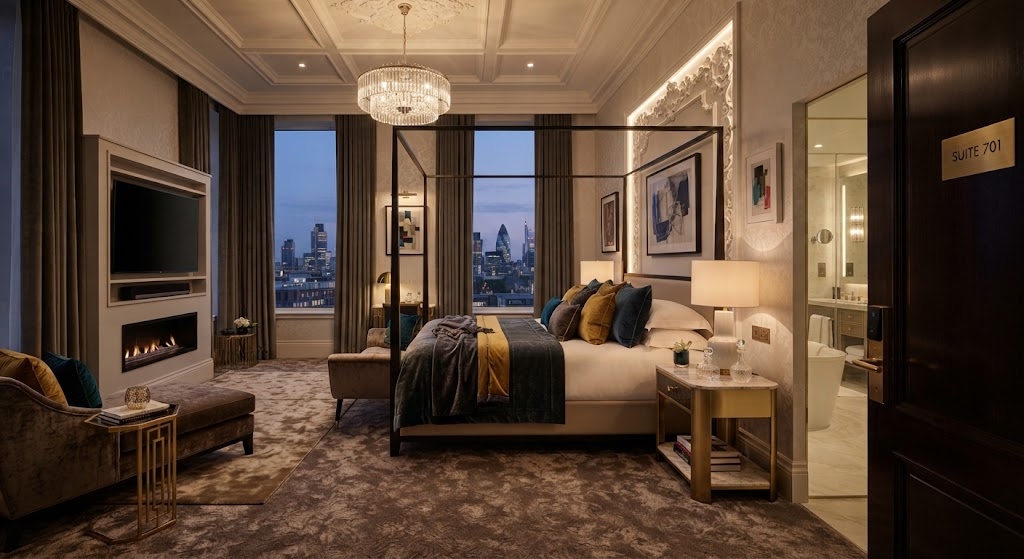
- Penthouse Suite: Luxurious top-floor suites with exclusive amenities and stunning views.
- Bungalow or Villa: Standalone accommodations often found at resorts, providing privacy and outdoor space.
Enhancing Your Booking Experience
Understanding these various classifications can contribute significantly to enhancing your hotel booking experience. By knowing what to ask and look for, you can ensure that the room you choose aligns perfectly with your travel needs.
Key Questions to Consider
Before finalizing your booking, consider these key questions to enhance your experience:
- What specific amenities does the room offer? Understanding the actual offerings can prevent misunderstandings.
- What is the room’s actual size? Ensure you know what to expect in terms of space.
- What views does the room provide? Confirm if the advertised view aligns with what you prefer.
Adapting to Trends in Hotel Accommodation
The travel industry is increasingly evolving, with trends like eco-friendly options and smart technology shaping room offerings. Staying informed will allow you to align your accommodation choices with your values.
Knowledge of diverse room types equips both travelers and hoteliers with insights into optimizing experiences. By asking the right questions and understanding the intricacies of room categorization, guests can find accommodations that truly meet their preferences and needs.