
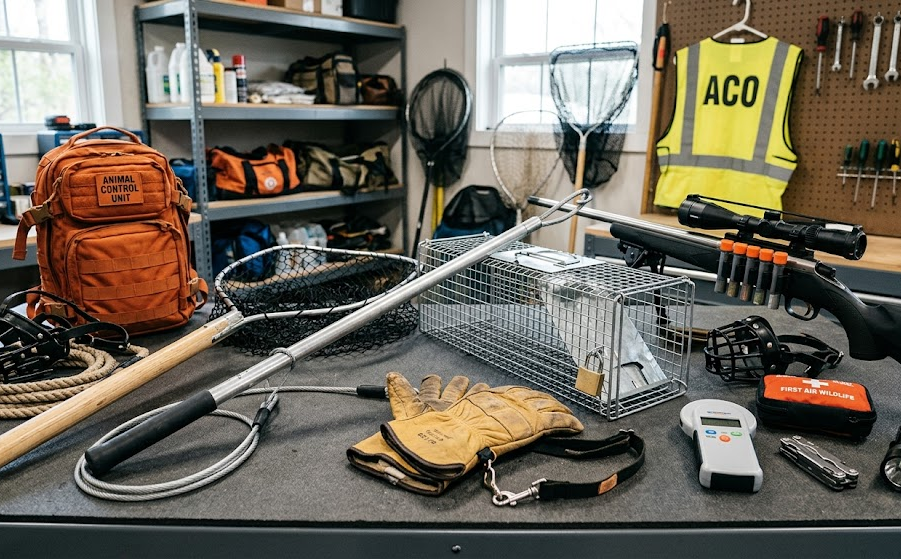
Animal control services serve an essential role in managing wildlife and domestic animal populations in urban and rural settings alike. With the complexity of these tasks comes a diverse array of professional tools designed to ensure the safety of both animals and humans. Let’s explore the equipment that makes humane and effective animal management possible.
Understanding Animal Control Tools
Animal control relies on specialized professional tools that cater to various situations, from rescuing pets to handling wild animals. Each tool is developed to prioritize humane treatment while ensuring safety for both the animal and the handler. These tools enable animal control officers to perform their duties successfully, using methods that minimize stress and injury.
Types of Animal Handling Equipment
Among the range of equipment available, certain categories stand out for their frequent use in the field:
- Animal Traps: These are vital for capturing stray or aggressive animals without causing harm, allowing for safe relocation or veterinary care.
- Capture Poles: Adjustable and easy to handle, these tools facilitate the restraint of animals from a distance, reducing the risk of injury.
- Animal Handling Tongs: Designed for safe handling, these tongs enable officers to manage animals safely during interactions or transport.
Exploring Safety Equipment
Safety is a top priority for animal control personnel, necessitating a range of protective gear to ensure their well-being. This professional equipment not only protects the handler but also contributes to more effective animal control.
Essential Safety Gear
Animal control officers utilize various pieces of safety equipment:
- Protective Gloves: Essential for preventing bites and scratches, gloves also help in handling potentially infectious animals.
- Body Armor: In cases where aggressive animals are present, body armor provides an additional layer of protection for officers.
- First Aid Kits: Critical for immediate care in case of injuries, these kits ensure that help is readily available at all times.
Facilitating Animal Transport
Once an animal is captured or rescued, it needs to be transported safely. The appropriate tools for this task are key in ensuring that both the animal and personnel are safe throughout the process.
Transport Solutions for Animals
Effective transport requires specific solutions:
- Carriers and Crates: These are made for secure transport, allowing animals to travel without stress.
- Transport Vehicles: Specialized vehicles with safety features tailored for animal transport are increasingly important.
- Vent Covers: Providing ventilation during transport is crucial to ensure animal comfort and safety.
Implementing Effective Animal Restraint Techniques
Restraint is a necessary part of animal control, particularly in dealing with aggressive or frightened animals. The tools available play a significant role in facilitating humane and effective restraint practices.
Restraint Methods and Equipment
Various tools can be employed to achieve effective animal restraint:
- Control Poles: Used for managing aggressive animals from a distance, preventing direct encounters that could lead to injury.
- Netting Systems: Essential for capturing larger animals quickly and safely, thus minimizing their stress levels.
- Handling Gloves and Apparel: These items enable safe manipulation and control while ensuring the safety of the handler.
Utilizing Humane Animal Traps
When dealing with stray or unwanted animals, humane traps are essential for capturing animals without causing pain or distress. These tactical tools demonstrate an understanding of animal behavior and welfare.
Features of Humane Traps
Humane traps are designed with the following features:
- One-way doors: Allow animals to enter but not exit, ensuring a safe capture.
- Well-ventilated design: Enables captured animals to breathe easily, easing their stress.
- Monitoring options: New technology allows controllers to monitor traps remotely, ensuring timely response and care.
Ensuring Effective Training for Animal Control Officers
Proper training in the use of these professional tools is integral for animal control personnel. Continuous education ensures they are up-to-date with the latest techniques and tools available for effective animal management.
Training Programs and Resources
To ensure proficiency and safety, animal control officers typically undergo training in areas such as:
- Effective Communication: Essential in dealing with the public and coordinating with other professionals.
- Behavioral Understanding: Knowledge of animal behavior aids in selecting the right tools and techniques.
- Safety Protocols: Comprehensive training on safety practices alongside hands-on experience with protective gear.
By investing in essential animal control tools and techniques, professionals not only protect public safety but also promote the well-being of the animals they handle. For a deeper insight into the world of animal control and the importance of professional tools, it’s worthwhile to explore further resources like this one or check out this insightful article.


