
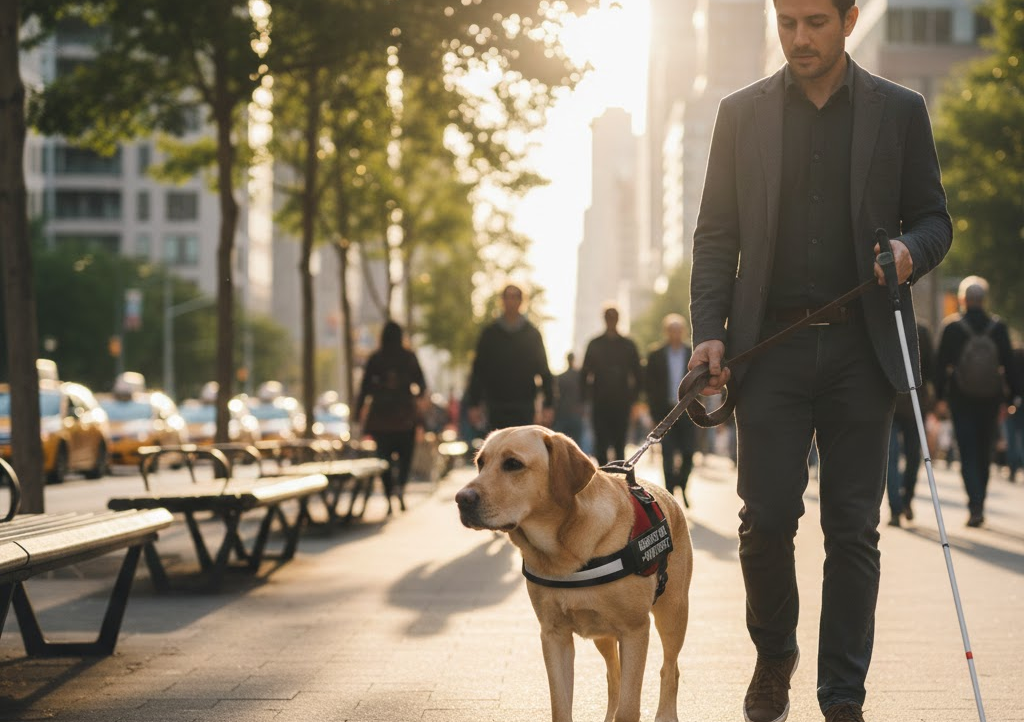
Service dogs play an invaluable role in the lives of individuals with disabilities, serving as more than just companions. These specially trained canines are essential for enhancing independence and providing support in daily activities, demonstrating their profound impact on mental and physical well-being.
Understanding Service Dogs: A Definition
A service dog is defined as a dog that has been individually trained to perform tasks for a person with a disability. The tasks performed by service dogs must directly relate to their handler’s condition, whether physical or mental. Under the Americans with Disabilities Act (ADA), these dogs are not considered pets; rather, they are recognized as vital assistance animals.
The Types of Service Dogs and Their Unique Roles
Service dogs can vary widely in their training and duties. Below are some common types of service dogs:
Mobility Assistance Dogs
These dogs are invaluable to individuals with limited mobility. They may be trained to assist in activities such as opening doors, picking up dropped objects, or even operating elevators. For individuals who rely on wheelchairs, mobility assistance dogs can make everyday tasks manageable and significantly enhance their owners’ independence. They often wear specially fitted harnesses that help them assist in various ways.
Psychiatric Service Dogs
Psycho-emotional support is another significant area where service dogs excel. Psychiatric service dogs are specifically trained to help individuals suffering from mental health disorders, such as PTSD, depression, or anxiety. They can sense changes in their owner’s emotional state and provide support during crises. These dogs may also interrupt harmful behaviors, provide soothing tactile stimulation, or help their owners create a safe personal space in crowded environments.
Guide Dogs for the Visually Impaired
Guide dogs for the blind help users navigate their surroundings safely. These dogs are trained to recognize and respond to various cues, ensuring that their owners arrive at their destinations without incident. The connection between guide dogs and their handlers is built on trust, which is essential in fostering independence in the visually impaired community.
Hearing Dogs
Hearing dogs assist individuals with hearing impairments, alerting them to crucial sounds such as alarms, doorbells, or a person calling their name. Their training enables them to distinguish different sounds and respond accordingly, greatly increasing their owner’s awareness of their surroundings.
The Training Process: How Service Dogs are Prepared
Training a service dog is no small feat. Many service dogs undergo extensive training programs that can last anywhere from several months to a few years. Key characteristics needed in a service dog candidate include calmness, attentiveness, and a willingness to please their handler. Consistency and positive reinforcement play vital roles in the training process, ensuring that the dogs can perform their tasks reliably.
Interestingly, the ADA allows individuals with disabilities to train their own service dogs, provided they meet certain criteria. This means that potential owners can customize their dog’s training to suit their unique needs.
The Benefits of Having a Service Dog in Daily Life
The benefits of having a service dog extend beyond simple assistance. For many individuals, these remarkable animals provide a sense of companionship that can alleviate feelings of loneliness and isolation. Furthermore, the presence of a service dog helps foster a sense of independence, encouraging individuals to participate more actively in their communities.
Improving Mental Health Through the Bond with a Service Dog
Having a service dog can also play a crucial role in improving mental health. Many individuals report significant reductions in anxiety and stress levels, sometimes by as much as 50%. This emotional support can prove invaluable for those coping with mental health challenges, providing a steady companion who is always by their side.
Enhancing Social Interactions
Service dogs can act as social enablers, helping their handlers engage more easily in social settings. The presence of a service dog can serve as an icebreaker and lower the barriers that often accompany social interaction. For individuals on the autism spectrum, for example, service dogs can help facilitate communication and mitigate anxiety in unfamiliar social situations.
In Summary
Service dogs play a crucial role in enhancing the quality of life for individuals with disabilities, providing not only practical assistance but also emotional support. By integrating these dedicated companions into daily routines, owners can navigate challenges with greater confidence and independence. When considering a service dog, it is essential to consult with experts in training to ensure a strong partnership that meets specific needs.


