
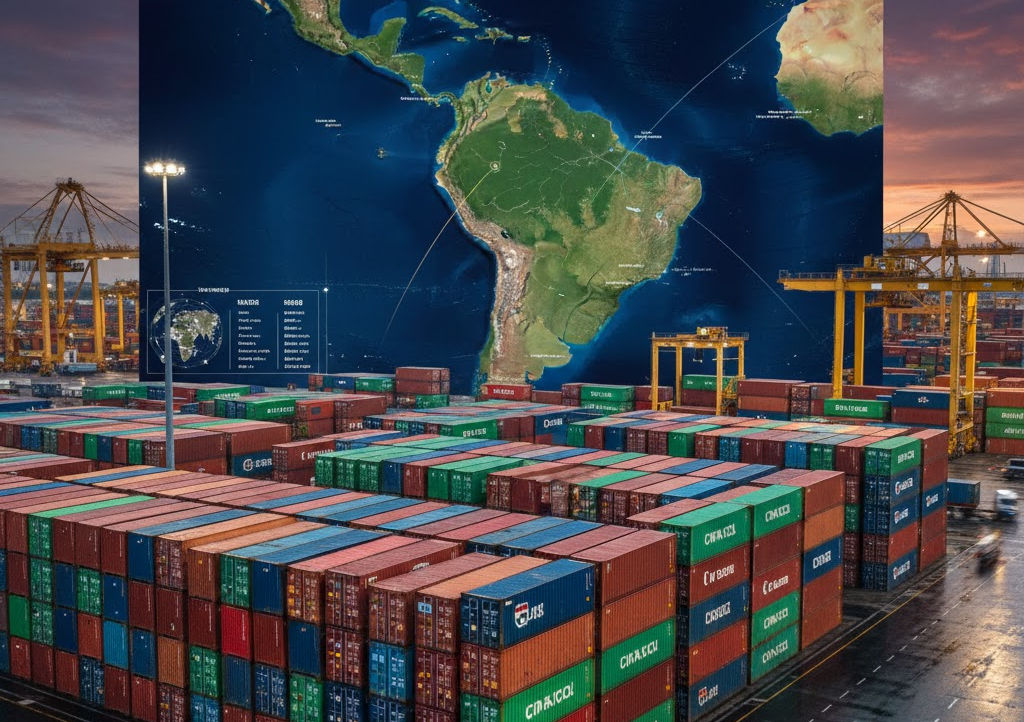
As global supply chains evolve, shipping to Latin America presents unique challenges that demand innovative strategies. With a rich tapestry of geographical diversity and rapidly advancing logistics technologies, understanding the intricacies of this region is crucial for anyone looking to optimize their operations. Join us as we explore the key obstacles and smart solutions that can pave the way for successful shipments to Latin America.
The Complex Regional Landscape of Latin America
Latin America presents a unique blend of advantages and hurdles in the realm of logistics. The region boasts an abundance of natural resources, yet the infrastructure remains a work in progress. Countries like Brazil, Chile, and Colombia have invested substantially in modernizing their ports and improving customs processes, yet the progress varies greatly from nation to nation. Furthermore, despite significant advancements, intra-regional trade accounts for a mere 14% of total goods and services—a figure that places Latin America at the bottom among global markets.
Infrastructure Challenges Impacting Shipments
One of the primary challenges in shipping to Latin America is inadequate infrastructure. The geography of the region, characterized by the vast Amazon rainforest and the formidable Andes Mountains, poses significant obstacles for physical connectivity. Poor road networks and inadequate ports can lead to increased transportation costs and delays, which can alter the timelines businesses rely on for effective supply chain management.
Bureaucracy and Regulatory Hurdles
Alongside infrastructure issues, navigating through bureaucratic red tape is another common challenge. Customs procedures often vary widely by country and can be slow and cumbersome. This can create barriers to efficient shipping. Companies looking to conduct business in the region must familiarize themselves with local regulations and tariff structures, which can be painstakingly tedious but is essential for smooth entry into the market.
The Rise of Nearshoring
The growing trend of nearshoring is reshaping the shipment landscape across Latin America. As global tensions continue to drive companies away from heavy reliance on Asian manufacturing, firms are increasingly looking closer to home. Countries like Mexico, Costa Rica, and Brazil are witnessing a surge in manufacturing activities, resulting in an enriched logistic offering for companies targeting U.S. markets. Nearshoring significantly reduces shipping times and costs, making it an attractive solution for businesses seeking agility in their operations.
Leveraging Digital Transformation
Digital technologies are driving the transformation of logistics and supply chain management in Latin America, with innovations such as the Internet of Things (IoT) and Artificial Intelligence (AI) at the forefront. These technologies enhance real-time tracking capabilities, improve demand forecasting, and streamline inventory management. A recent study indicated that companies utilizing AI have seen up to a 30% reduction in errors when predicting demand. This digital revolution not only bolsters operational efficiency but also helps mitigate the challenges posed by uneven infrastructure and regulatory complexities.
Smart Platforms for Tracking and Management
Companies such as NowPorts and Logcomex are leading initiatives within the region, creating logistics tech platforms designed for visibility, predictive pricing, and communication tailored to the Latin American market. The adoption of these technologies is growing rapidly, particularly among small and medium-sized enterprises (SMEs) that traditionally faced hurdles accessing advanced logistic solutions. By utilizing these platforms, businesses can optimize their supply chains while simultaneously enhancing their control and visibility over shipments.
Implementing Sustainable Practices
Sustainability is swiftly transitioning from an optional initiative to a vital component of logistics and shipping strategies in Latin America. Organizations are increasingly realizing that adopting sustainable practices not only fulfills regulatory requirements but also offers significant competitive advantages. Investments in electric vehicles for last-mile delivery and the implementation of circular economy practices to reduce waste are gaining traction. Companies willing to embrace sustainability are setting themselves up for long-term success in an environmentally conscious market.
Strategies for Success in Shipping to Latin America
To navigate the challenges of shipping in this complex region successfully, businesses should consider adopting several key strategies. Firstly, investing in technology and digital solutions can streamline operations and improve both efficiency and visibility in the supply chain. Secondly, fostering partnerships with local logistics providers can provide valuable insights into the regional market and facilitate smoother customs processes.
Moreover, companies should remain adaptable and responsive to evolving market conditions. A proactive approach to monitoring regulatory changes and infrastructure developments will be invaluable in mitigating risks and seizing emerging opportunities. By embedding flexibility into their logistics strategies, companies can position themselves for long-term success in the ever-changing landscape of Latin American logistics.
In navigating the complexities of shipment to Latin America, businesses must stay informed about both the challenges and the innovative solutions available. Seeking guidance from a logistics expert can be instrumental in optimizing operations and ensuring efficient supply chain management. By leveraging these insights, companies can successfully tap into the growth potential of this dynamic region.