
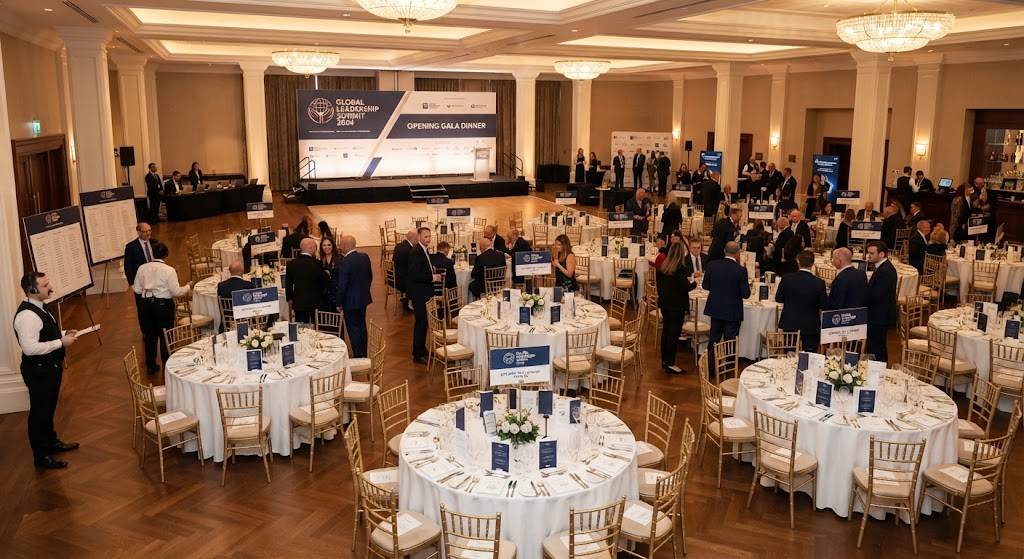
In the dynamic world of corporate events, the significance of seating arrangements cannot be overstated. A well-structured seating plan not only enhances networking opportunities but also plays a pivotal role in achieving the event’s objectives. Understanding the nuances of different formats, from charity galas to internal meetings, will empower planners to create environments that foster meaningful connections.
Assessing the Importance of Corporate Event Seating
Seating arrangements for corporate events represent more than mere logistics; they embody a strategic approach to fostering relationships and achieving goals. Unique seating layouts can facilitate interactions that impact outcomes, such as fundraising success or business deals. Recognizing how different seating formats can influence conversations is paramount for achieving desired results.
Strategizing for Fundraising Galas
At fundraising galas, the seating chart is critical for maximizing donations. When significant donor prospects are seated next to influential board members or previous generous contributors, it creates an environment where impactful conversations can occur. Specific strategies include:
- Positioning Major Donors: Place prospective major donors with board members who can authentically discuss their motivations for supporting the cause.
- Creating Sponsor Visibility: Ensure corporate sponsors are at tables with their teams to reinforce partnerships with influential organizational leaders.
- Introducing First-Time Attendees: Avoid isolating newcomers by placing them with socially adept individuals who can facilitate introductions and engage everyone at the table.
Facilitating Networking at Client-Facing Dinners
Client-facing business dinners are all about creating networking opportunities. The traditional practice of clustering staff members together undermines the goal. Instead, alternating seating can foster valuable interactions:
- Alternating Hosts and Guests: Pair each team member with specific clients or prospects to ensure focused conversations.
- Preparing Team Members: Distribute materials that provide insights into client interests and past interactions, setting the stage for informed discussions.
- Creating Separate Tables for Sensitive Topics: For clients from competing industries, consider using different tables to prevent overlapping conversations and maintain confidentiality.
Enhancing Internal Corporate Events
Company retreats or team celebrations demand a different approach to seating, as participants often know each other very well. Cross-pollination should be the goal here:
- Diverse Grouping: Place individuals from different departments and seniority levels together to encourage a blend of ideas and approaches.
- Avoiding Segregation: Refrain from seating entire teams together, as they likely engage with each other regularly.
- Integrating Plus-Ones: Consider the dynamics of employee partners at events; they can influence conversations and interactions.
Assigning “connectors” from each department who are naturally social can further distribute energy and facilitate engaging discussions.
Understanding Hierarchical Dynamics
Hierarchy plays a significant role in shaping conversations at corporate events. Acknowledging these dynamics can inform seating placements:
- Managing CEO Presence: To encourage authentic interactions, seat the CEO at a table with peers rather than with direct reports who may feel pressured.
- Creating Space for Reports: Avoid placing managers next to their direct reports to prevent extending workday dynamics into social settings.
- Alumni Relations: For events with former employees, seat them with familiar faces to ensure comfort and avoid awkward tensions.
Utilizing Table Captains for Better Engagement
The concept of a table captain can enhance the communal atmosphere of an event. This role involves:
- Facilitating Conversations: A well-briefed table captain can ensure that introductions flow smoothly and that no one is left out of discussions.
- Encouraging Giving in Fundraisers: In fundraising settings, captains can model generosity, which often encourages others to follow suit.
- Mediating Conversations: Captains can steer dialogue toward collective interests, enhancing the overall experience for attendees.
Mapping Relationships for Optimal Seating
It’s essential to visualize the relationship dynamics before finalizing seating. A comprehensive mapping approach helps reveal hidden connections and potential conflicts among attendees:
- Identifying Connections: Map out professional relationships and past interactions to predict how guests may connect or clash.
- Maintaining a Living Document: A continually updated relationship map for recurring events helps track previous interactions and evolving dynamics.
- Utilizing Technology: Software solutions can aid in efficiently managing seating arrangements by visualizing connections.
Practical Logistics on Event Day
The day of the event calls for precise logistical considerations to ensure smooth execution:
- Detailed Table Cards: Include guest titles and company names to provide context for attendees.
- Post-Speech Opportunities: Keep a seat near the speaker empty until after their presentation to maximize networking opportunities.
- Implementing Movement: Allow guests to switch tables during dessert to foster new connections without extending the duration of the event.
In conclusion, choosing the right seating arrangement can greatly influence the flow, comfort, and interaction of a corporate event. Whether the format involves presentations, meetings, networking, or group discussions, thoughtful planning helps create a more organized experience. Working with corporate event professionals can also help ensure that the layout meets the needs of both organizers and attendees.