
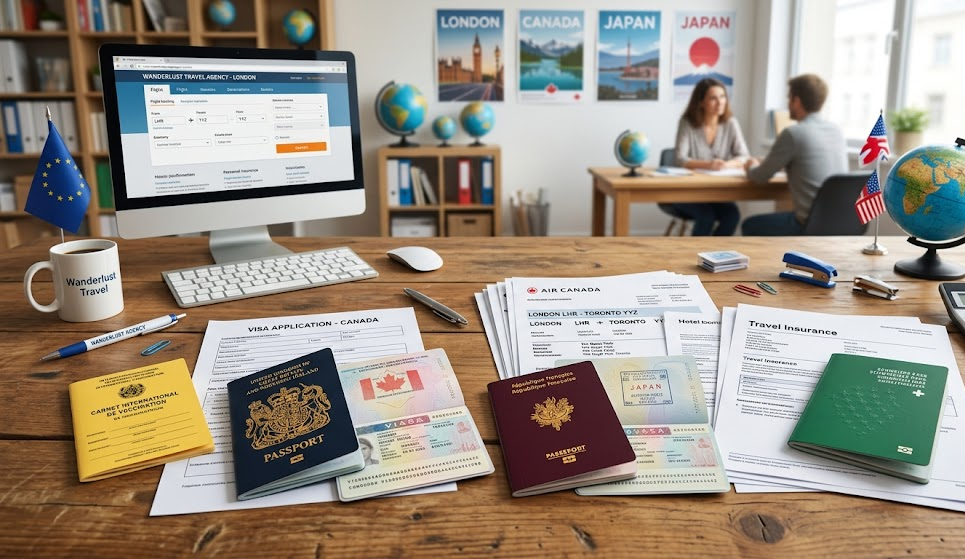
Relocating internationally opens the door to new adventures, cultures, and opportunities. However, the foundational step toward this exciting journey lies in proper documentation. Without the right paperwork, even the most thrilling overseas move can quickly become overwhelming due to legalities and requirements.
Gathering Your Identity Documents
The first layer of essential documentation revolves around identity and civil status. These documents serve as the backbone of your relocation paperwork and often affect all other aspects of the process.
Core Identity Documents
Start by securing the following core identity documents:
- Valid passport with blank pages and valid through your first renewal cycle.
- National ID from your origin country, if applicable.
- Certified copies of birth certificates for all applicants.
- Marriage or divorce certificates with any necessary court orders.
These identity documents create a reference point for immigration officials and underscore your legal identity in your new country.
Importance of Civil Status
Documenting civil status is vital, especially if dependents are involved. Relationships need to be provable in order to support applications. If surnames differ, including affidavits or government name-change records can clarify any discrepancies. For minors traveling with only one parent, carrying notarized consent letters becomes essential.
Financial Verification Techniques
Next, focus on financial documentation. Proving the legality of your funds is a critical step in your migration process and can significantly influence visa approvals.
Income Verification
Your financial history should include:
- Last two to three years of tax returns to demonstrate financial stability.
- Employer letters detailing your role, salary, and any permissions for remote work.
- Pay slips from your employer covering a minimum of last six months.
If self-employed, prepare invoices, contracts, and relevant documentation that reflects your earnings accurately. Having this sorted will streamline your application process.
Banking Evidence
Next, gather bank statements that clearly show your name and account details. This can include:
- Statements validating your recent transactions.
- Explanations of large deposits, backed by documents like sale deeds.
- Investment statements that will help affirm your financial viability, particularly for passive income visa routes.
Securing Your Medical Files
Medical documentation is often overlooked but plays a critical role in relocation. Different countries can have varying healthcare demands.
Health and Insurance Records
Your medical files need to include:
- Vaccination records, especially if you’re relocating with children or will attend schools and workplaces.
- Physician letters for any controlled substances or ongoing treatments.
- A health insurance certificate that outlines your coverage and removes unnecessary waiting-period clauses.
Ensure you possess these records to prevent unnecessary delays in transitioning care or settling into your new home.
Building Relationships: Housing Provisions
Providing proof of stable housing is essential to many consulates. In your submissions, consider:
- A notarized lease agreement or title deed as concrete proof of residence.
- Utility hookup confirmations demonstrating you won’t be stranded upon arrival.
- Temporary hotel bookings might not suffice; ensure they clearly indicate long-stay proof.
Educational and Employment Essentials
Documentation for education and employment ensures a smoother transition into working life or resuming studies in your new country.
Academic Records
Schools often require:
- Degrees accompanied by corresponding transcripts.
- Professional licenses where applicable, particularly for regulated professions.
- University acceptance letters for students to demonstrate their educational pursuits.
Employment Contracts and Proof
Having an employment contract and supporting documents is vital, especially for work visas:
- Letters from your employer on company letterhead.
- Details about your position and responsibilities.
- Contact information for verification purposes.
Finalizing with Legal Documents
To avoid any last-minute hiccups, ensure your legal documents are in order. Apostilles and certified translations are crucial pieces to verify the integrity of your paperwork.
The Apostille Process
Understanding the apostille is essential. This certificate verifies documents for international use and might apply to:
- Marriage and birth certificates issued by vital records offices.
- Court orders documenting legal proceedings.
- Diplomas needing verification based on the educational institution’s requirements.
Translation Matters
Many consulates stipulate that translations of documents be performed by approved translators, ensuring compliance with local regulations. Ensure that:
- Your translations are certified and accompanied by original documents.
- Any digital submissions are accompanied by printed hard copies if requested.
- Consistent formatting across all documents maintains a professional appearance.
Creating a Comprehensive Checklist
Developing a master checklist can streamline your relocation process. This can include all major document categories, ensuring that you don’t miss anything critical as you prepare for your international move.
Key Checklist Items
- Passport copies ensuring all versions are valid.
- Police certificates from all relevant jurisdictions.
- Tax returns corroborating your financial status.
- Declarations for any positive or negative records to prevent surprises.
Organizing and maintaining your documents ahead of time can significantly reduce the stress associated with international relocation. The more prepared you are, the easier the transition will be as you embrace new experiences in your destination country.


