
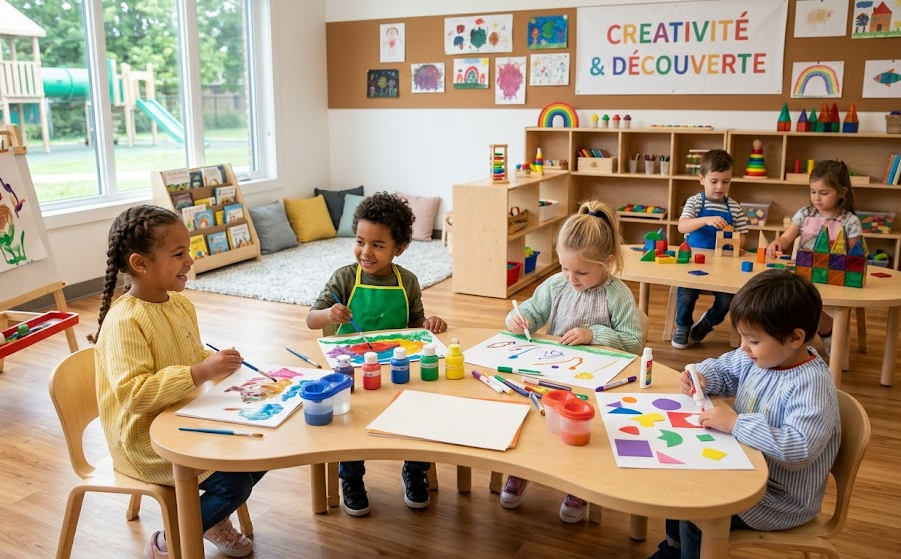
Engaging preschoolers in creative learning activities is vital for nurturing their imaginative play and cognitive growth. This phase in early childhood education offers unique opportunities that lay the groundwork for future success. By incorporating hands-on activities that stimulate curiosity and foster a love for learning, caregivers can transform mundane moments into enriching experiences.
Fostering Creativity through Hands-On Activities
Creative learning activities are essential in preschool education because they provide a dynamic environment for children to explore their creativity. Engaging in hands-on activities allows young learners to develop motor skills, cognitive abilities, and emotional intelligence. These activities not only encourage imaginative play but also enhance problem-solving skills.
Exploring Sensory Activities for Preschoolers
Sensory exploration is a critical aspect of preschool education. By providing various materials that evoke the senses, children can experiment and learn more about their environment. Consider these engaging sensory activities:
- Play Dough Fun: Using homemade or store-bought play dough not only enhances fine motor skills but also allows for creative expression.
- Water Play: Setting up a water table encourages children to learn about volume and measurement while enjoying the tactile experience.
- Nature Discovery Bins: Fill bins with leaves, rocks, and other natural materials for children to explore, promoting curiosity and a love for the outdoors.
Incorporating Arts and Crafts into Learning
Involving children in arts and crafts is a fantastic way to enhance their creativity while simultaneously facilitating learning. These activities allow preschoolers to express themselves through various mediums, leading to improved emotional expression and fine motor skills development.
Engaging Preschoolers through Crafting
Crafting activities can be simple yet impactful. Here are some inspiring ideas:
- Collage Making: Use magazines, colored paper, and glue to create vibrant collages that encourage storytelling through visuals.
- Puppet Creation: Let children make their puppets using socks or paper bags. This allows for imaginative storytelling and role-play.
- Seasonal Crafts: Engage kids with crafts that reflect the seasons, like leaf rubbings in fall or snowflake cutouts in winter.
Encouraging Storytelling and Imaginative Play
Storytelling is a powerful tool in preschool education. It not only enriches vocabulary but also helps children understand narrative structure. Emphasizing imaginative play alongside storytelling can dramatically boost language acquisition and cognitive development.
Building Storytelling Skills through Props
Incorporating props can make storytelling more interactive. Consider the following strategies:
- Story Stones: Create stones with images that children can use to tell their own stories, encouraging creativity and narrative skills.
- Puppets and Masks: Use puppets to act out stories, allowing children to engage directly with characters and plot.
- Collaborative Story Building: Encourage group storytelling by letting each child add a sentence or idea, promoting collaborative learning.
Maximizing Learning through Collaborative Activities
Collaborative learning is fundamental in preschool education as it promotes social skills and teamwork. When children work together, they learn to negotiate, compromise, and appreciate different perspectives.
Activities to Enhance Collaborative Learning
Here are a few collaborative activities that can enrich the preschool experience:
- Group Projects: Engage the class in a vegetable garden project where each child contributes by planting seeds and caring for the plants.
- Building Challenges: Using blocks or bricks, children can work together to create structures, enhancing teamwork and communication skills.
- Cooking Together: Prepare simple recipes in groups, allowing children to follow instructions while developing valuable life skills.
Integrating Technology into Creative Learning
While hands-on activities dominate early childhood education, integrating technology can enhance creative learning. With the right balance, kids can benefit from interactive platforms that encourage exploration and creativity.
Leveraging Educational Apps for Creativity
Some educational apps designed for preschoolers promote creative thinking. Consider introducing apps that offer:
- Art and Design Programs: These apps allow children to create digital art and designs, blending traditional art with technology.
- Interactive Storybooks: Apps that let children read along with stories can enhance literacy while maintaining engagement.
- Music Makers: These apps enable children to compose their music, fostering auditory skills and creativity.
Incorporating these approaches into your daily routine can significantly enrich a preschooler’s educational journey, setting them up for lifelong learning. Each of these creative learning activities not only nurtures their innate curiosities but also fosters essential skills that will serve them well throughout life.
Explore more about the critical role of early childhood education in development.
Discover additional hands-on activities for preschool learning.
Learn how storytelling enhances language development in preschoolers.


