
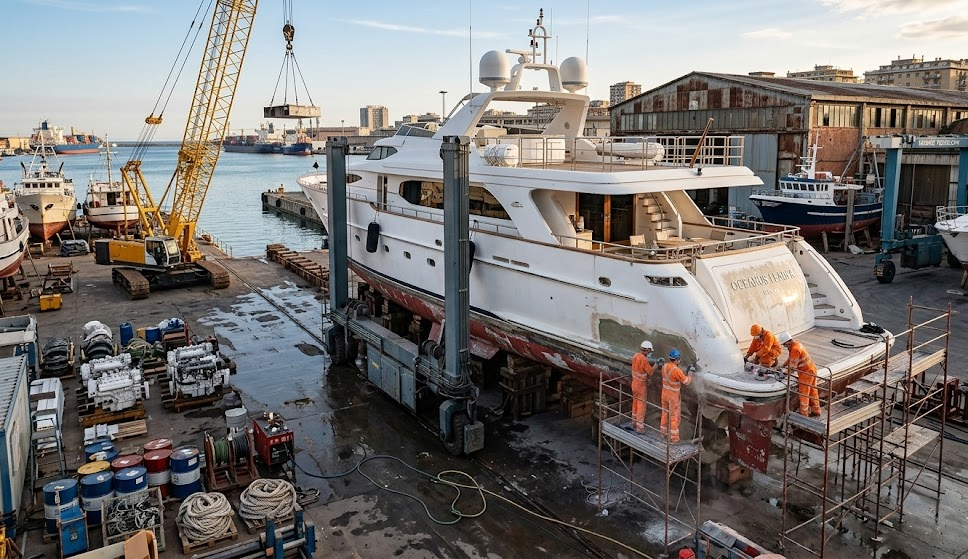
Owning a yacht is not just about the luxury of sailing on crystal-clear waters; it also comes with the responsibility of maintenance and repair. Throughout a yacht’s lifespan, several issues may arise that require attention. Being proactive and familiar with common yacht repairs can save owners time, money, and especially heartache.
Essential Repairs and Maintenance for Yachts
Understanding the complex systems onboard is key to effective upkeep. From marine coatings to electrical repairs, being aware of these challenges is crucial.
1. Marine Coatings: Protection from the Elements
Applying antifouling is vital to protecting a yacht’s hull against barnacles, algae, and other marine growth. This biocide-laden paint serves as a shield, preventing corrosion and ensuring optimal performance. Typically, antifouling should be reapplied annually for vessels kept in water and every two years for those stored dry.
Failure to maintain proper marine coatings can lead to increased fuel consumption and diminished speed. A smooth and well-maintained hull is not just a matter of aesthetics—it’s essential for performance. Hiring a professional for this job can ensure that the application is done correctly, avoiding future complications.
2. Electrical Repairs: Keeping the Power On
Electrical issues on superyachts can range from simple to complex, and they can pose significant safety risks. The most common electrical faults include:
- Batteries draining faster than expected
- Corrosion of wiring due to the marine environment
- Overloaded terminals causing short circuits
- Circuit breakers tripping frequently
These challenges highlight the necessity of having a reliable marine electrician on speed dial. While it may be tempting to tackle minor issues yourself, electrical systems can be dangerous and should only be handled by qualified professionals.
3. Fuel System Issues: Ensuring Optimal Performance
Problems related to the yacht’s fuel system can be particularly troublesome. Issues often stem from stale fuel, clogged filters, or water contamination. For instance, fuel degrades quickly, leading to performance problems if not addressed. To prevent these complications, owners should ensure:
- Fuel tanks are emptied or treated with stabilizers during extended docking periods
- Filters are changed regularly to prevent clogging
- Water buildup in the tank is monitored
When it comes to more extensive repairs, such as cleaning the tank, employing trained professionals is always advisable. The complexities involved can be daunting for those without the right experience.
4. Deck Repairs: Maintaining Comfort and Safety
The deck is a hub of activity on a yacht, subjected to constant use and exposure to the elements. As a result, it requires regular maintenance. Common deck repairs include:
- Sealing cracks to prevent water infiltration
- Replacing damaged or rotten boards for structural integrity
- Re-caulking to restore waterproofing
Neglecting deck maintenance can lead to severe situations, including slips and falls or expensive structural repairs down the road. For tasks requiring a skilled hand, such as carpentry, enlisting the help of a professional ensures that the work is done correctly and safely.
Identifying and Troubleshooting Common Issues
Regularly monitoring the yacht for potential problems can make all the difference. Initiating a troubleshooting process can often prevent minor issues from escalating into significant repairs.
5. The Importance of Routine Checks
Establishing a routine inspection schedule is advantageous. Critical components to check include:
- Engine temperature to prevent overheating
- Bilge pump functionality to avoid flooding
- Electrical connections to ensure safety against corrosion
Maintaining a detailed log of inspections can help owners track recurring issues and identify patterns over time. This proactive approach leads to timely interventions, ultimately saving valuable resources.
6. The Role of Spare Parts in Maintenance
Having easy access to the right marine engineering spare parts makes a significant difference during emergencies. Whether it’s a new battery, electrical connectors, or hull coatings, keeping essential components onboard means fewer delays when repairs are needed. Many yacht owners turn to trusted suppliers for their spare parts, ensuring they have quality materials at hand.
Yacht repairs can often feel overwhelming, but understanding the common issues can help simplify the process. Always consider enlisting the help of an expert in marine repair to ensure your vessel remains in top condition and you can enjoy smooth sailing for years to come.